 New York Know
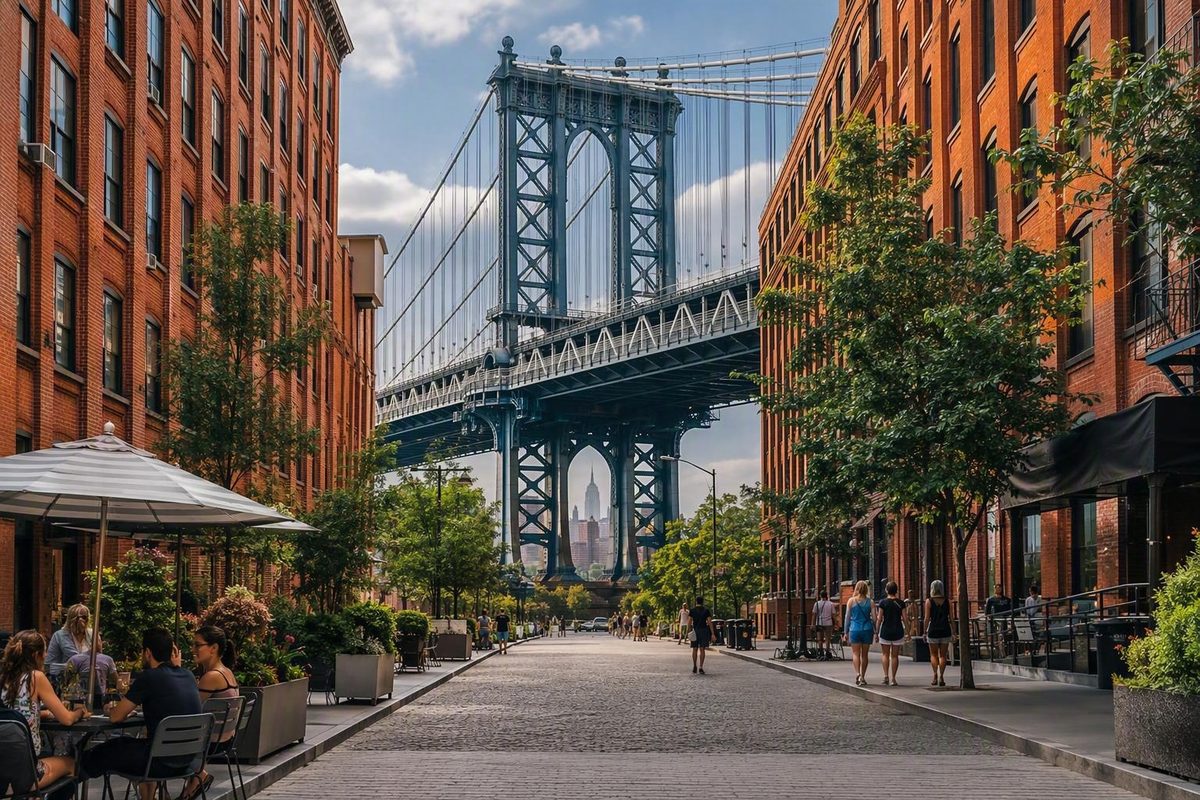
The hardest part of finding cool things to do in NYC is not discovering enough options. It is deciding which ones belong in the same day.
New York rewards selectivity. Separate the famous sights you genuinely want to see from experiences that match your interests, then organize both around geography. One anchor attraction, a nearby meal, and a flexible park, street, or waterfront stop usually create a better day than a checklist scattered across the city.
This guide covers iconic landmarks, public-space views, unusual museums, interactive activities, indoor backups, and ideas in all five boroughs. More importantly, it shows how to combine them into realistic, walking-first outings.
Last editorial review: August 23, 2026. Hours, admission policies, ferry and transit terms, reservations, seasonal programs, and visitor access can change. The sources available for this guide do not provide current first-party confirmation for every venue, so verify practical details on the responsible agency or venue website before leaving.
How to use this guide: choose an area before choosing activities
New York City has five boroughs: Manhattan, Brooklyn, Queens, the Bronx, and Staten Island. Each can support its own itinerary, and crossing between distant areas can consume more energy than a map suggests. The city’s tourism organization likewise presents activities across all five boroughs rather than treating Manhattan as the entire destination (NYC Tourism’s borough overview).
Start by sorting possibilities into three categories:
- Iconic first-timer experiences: Central Park, Grand Central Terminal, the Brooklyn Bridge, Broadway, Times Square, the 9/11 Memorial, or a skyline observatory.
- Locally distinctive stops: a specialized museum, neighborhood food crawl, independent cinema, waterfront park, market, or borough-specific cultural area.
- Unusual or interactive activities: the Transit Museum, Roosevelt Island Tram, immersive art, an escape room, pottery, a cooking class, karaoke, or a tiny museum.
An iconic attraction can still be worthwhile. An obscure destination is not automatically more authentic. The useful question is whether an activity matches your interests and fits naturally with the rest of the day.
For each half day, choose one geographic cluster and one anchor attraction. The anchor is the place with the firmest schedule or the greatest demand on your attention: a museum, theater performance, observatory, class, or ticketed tour. Add one meal and one flexible nearby stop. The flexible stop might be a park, bookstore, waterfront, architectural landmark, or neighborhood walk that can be shortened if necessary.
This is the walking-first principle: walk between nearby places and use transit for purposeful transitions, not repeated cross-city jumps. New York Know describes its own planning approach as grouping sights by area so visitors spend less time crossing the city and more time understanding a neighborhood (New York Know’s planning philosophy). That is editorial guidance rather than a universal formula, but it is a useful defense against an exhausting itinerary.
Use this compact planning key:
| Label | Meaning |
|---|---|
| Free/potentially free | A source reports no general admission, or a limited free program may exist; verify current conditions |
| Paid | Expect a ticket, class fee, cover, or required purchase |
| Indoor | Useful in poor weather, although reaching it may involve exposed walking |
| Outdoor | Weather, temperature, visibility, and daylight affect the experience |
| Book ahead | Timed admission or limited capacity may apply; verify before relying on availability |
| Weather-dependent | Operation or appeal may change with rain, wind, heat, cold, or visibility |
Always confirm operating hours, fares, ticket rules, seasonal access, bag policies, closures, accessibility, and free-admission conditions through the responsible venue or agency. “Free” can still involve reservations, limited slots, eligibility restrictions, or paid optional components.
Iconic NYC experiences that still earn a place on a first trip
A first visit does not require every landmark. Choose famous experiences that show genuinely different sides of New York.
Central Park — free/potentially free, outdoor, weather-dependent. The park works as a landscape rather than merely a landmark. Its paths, lawns, water, rock formations, and changing city views provide a counterpoint to Manhattan’s street grid. An early walk is sometimes recommended as a crowd-management tactic, but it cannot guarantee quiet. Pair the park with one museum on either side rather than an ambitious chain of attractions.
Grand Central Terminal — free/potentially free public areas, indoor. Visit for the architecture and movement of a functioning terminal, not only for a photograph. The Main Concourse, celestial ceiling, and surrounding passages make it a practical short stop in Midtown. A travel guide identifies the celestial ceiling and other interior details as notable features, although visitor access and tour arrangements should still be checked before arrival (Grand Central overview). It pairs naturally with the New York Public Library, Bryant Park, Rockefeller Center, or an evening performance.
Times Square — free/potentially free public space, outdoor. Screens, signage, traffic, and crowd density create a spectacle unlike a conventional plaza. Some visitors find it exhilarating; others find it noisy, commercial, and overwhelming. Treat it as a brief look—perhaps before a Broadway show—rather than an automatic half-day destination. Do not assume that photographs or interactions offered by street performers and costumed characters have no expected payment.
Brooklyn Bridge — free/potentially free pedestrian crossing, outdoor, weather-dependent. Crossing on foot creates something an observatory cannot: a gradual transition between Manhattan and Brooklyn, with changing river and skyline views. Early morning is a source-backed crowd-management suggestion, not a promise of empty paths. DUMBO and Brooklyn Bridge Park make the Brooklyn end a natural extension.
The High Line — free/potentially free, outdoor, weather-dependent. Its appeal comes from reused rail infrastructure, plantings, art, architecture, and glimpses into the West Side streetscape. The elevated route follows a former freight rail line through Chelsea and the Meatpacking District (High Line background). Pair it with Chelsea Market, the Whitney area, Little Island, or a Greenwich Village meal.
The 9/11 Memorial — free/potentially free outdoor memorial; museum separate and paid. The outdoor memorial’s reflecting pools occupy the former tower locations, with victims’ names around their edges. The museum is a separate experience and needs more emotional and scheduling space. A source distinguishes the outdoor memorial from the admission-charging museum (9/11 Memorial and Museum overview). Do not treat either as a quick entertainment stop between unrelated attractions.
Broadway or Off-Broadway — paid, indoor, book-ahead possible. A performance offers a live cultural experience rather than another landmark view. Choose it because theater interests you, not because every first trip supposedly requires it.
One observatory — paid, indoor/outdoor varies, book-ahead possible, visibility-dependent. Top of the Rock, the Empire State Building, One World Observatory, Edge, and SUMMIT One Vanderbilt offer different combinations of landmark views, exhibits, outdoor exposure, and spectacle. Choose one according to the neighborhood already in your plan rather than crossing Manhattan solely for a marginally different angle.
The Met and the American Museum of Natural History are also classic choices, but each can absorb several hours. Choose one and pair it with Central Park. Unless you intentionally want a museum-intensive day, placing both in the same itinerary tends to turn culture into endurance.
Free and lower-cost ways to see the skyline, harbor, and city streets
New York’s skyline is not confined to observation decks. Some of the most satisfying perspectives come from moving through public space.
The Staten Island Ferry is described in the supplied travel sources as a no-fare harbor ride with distant views of the Statue of Liberty and the Manhattan skyline. It runs between Manhattan and Staten Island and does not provide the same stops or experience as a dedicated Liberty Island and Ellis Island visit (Staten Island Ferry travel overview). Because this is not current operator confirmation, verify fare status, service, terminal information, and disruptions through the responsible ferry authority before departure.
Other public-space possibilities include:
- Brooklyn Bridge: combine the crossing with DUMBO rather than walking over and immediately turning back.
- Brooklyn Bridge Park: use the waterfront for Manhattan and bridge views.
- The High Line: choose it for an elevated urban walk rather than a conventional panorama.
- Central Park: frame Midtown buildings through trees, lawns, and open water.
- Little Island: combine river views with the park landscape and any confirmed programming.
- Washington Square Park: watch the social life of Greenwich Village around the arch and fountain area.
- The outdoor 9/11 Memorial: visit respectfully and distinguish it from the museum.
- Battery Park and the Lower Manhattan waterfront: look across the harbor without buying an observation-deck ticket.
Treat the “free” status of these spaces as provisional until confirmed. Maintenance, private events, weather, security measures, construction, or seasonal rules can affect entrances and usable areas.
Potentially free activities require more research. Select museums may offer restricted free periods or eligibility-based admission rather than universal free entry. Festivals are date-specific. Confirm every condition through the organizer rather than relying on a general “free NYC” list.
Free admission also does not make an outing cost-free. Food, rentals, transportation, lockers, reserved exhibits, classes, and optional upgrades can add expense.
To compare value, ask what you want from the skyline:
- A public waterfront outing offers movement, neighborhood context, changing angles, and flexibility.
- A premium observatory offers elevation, a concentrated panorama, and—depending on the venue—indoor galleries, installations, or thrill features.
Neither is universally better. A waterfront may suit someone who enjoys walking and photography; an observatory may suit a visitor who wants a concentrated overview with less ground-level navigation.
Distinctive experiences beyond the standard sightseeing list
When classic attractions begin to feel interchangeable, choose something built around a specific part of New York’s identity.
The museum occupies a decommissioned subway station in Brooklyn and displays vintage subway and elevated cars that visitors can enter. The same source describes the museum’s setting and collection while noting that admission and access details can change (Transit Museum and Tenement Museum overview). It can anchor a Brooklyn Heights or Downtown Brooklyn day.
The museum approaches immigrant history through recreated apartments and neighborhood walking tours. It is not a general gallery where every visitor follows the same self-directed format. Choose a tour type, confirm where it begins, and leave enough attention for the stories. Its Lower East Side location makes neighborhood food or a nearby street walk a logical pairing.
Roosevelt Island Tram and Roosevelt Island — fare-dependent, indoor/outdoor, weather-dependent. Make this a transportation-centered outing rather than a quick round-trip novelty. Ride the tram if current service conditions suit your plans, then explore the island waterfront and look back toward Manhattan. Confirm fare, service, accessibility, and operating information with the responsible transit agencies; the evidence supplied here does not establish current terms.
Available sources describe biking, picnicking, recreation, public art, historic structures, and skyline views. Ferry arrangements, programs, food, rentals, and seasonal conditions can vary, so plan it as a dedicated island outing rather than a gap-filler between distant Manhattan attractions.
Small curiosities can be rewarding precisely because they do not fill an entire day:
- Elevated Acre: a raised green space in the Financial District.
- Dream House: an immersive sound-and-light work.
- Mmuseumm: a tiny museum focused on overlooked objects.
These are ideas to investigate, not promises of current admission. An unusual-places directory lists them but does not establish that every site is open, staffed, accessible, or legally enterable (Atlas Obscura’s New York City directory). Confirm current opening and legal public access with the responsible venue or property manager before making a detour.
For a participatory activity, consider an escape room, Beat the Bomb, pottery, a cooking class, an independent cinema, or karaoke.
These are generally commercial options. Compare location, group size, cancellation terms, age rules, accessibility information, and the physical or sensory demands described by the operator. Claims that a particular seller is the “best” should be treated as marketing, not objective comparison.
One rule applies to every supposed hidden place: abandoned-looking does not mean open to the public. Do not enter ruins, tunnels, closed stations, rooftops, construction areas, or private buildings without explicit authorization from the responsible owner or operator.
Five compact Manhattan outings built around nearby stops
These routes prioritize continuity. Each identifies an anchor, flexible stop, indoor fallback, and natural endpoint. They deliberately omit famous attractions elsewhere when adding them would weaken the day.
1. Lower Manhattan: harbor to Chinatown
Start at Battery Park, then move through Bowling Green, Wall Street, and Trinity Church. Continue toward the 9/11 Memorial and Oculus area. From there, turn toward South Street Seaport or finish with food in Chinatown.
- Anchor: a booked 9/11 Museum visit, or a deliberate exploration of the memorial and Financial District architecture
- Flexible stop: Battery waterfront, the Wall Street streetscape, or the Seaport
- Indoor fallback: the 9/11 Museum if reserved, or public Oculus areas if currently open to visitors
- Natural endpoint: Chinatown or the Seaport
Little Italy or the Lower East Side can be optional extensions if energy remains, not compulsory detours. New York Know’s walking-first Lower Manhattan route uses a similar harbor-to-Financial-District sequence before turning toward the Seaport or Chinatown.
2. West Side: market, elevated park, and river
Begin around Chelsea Market, enter the High Line, and continue toward the Whitney area and Little Island. Finish with a meal in the Meatpacking District or Greenwich Village. Continue to Washington Square Park only if more walking still appeals.
- Anchor: the Whitney Museum, if reserved or confirmed, or a deliberate High Line walk
- Flexible stop: Chelsea Market or Little Island
- Indoor fallback: the Whitney or Chelsea Market, subject to current access
- Natural endpoint: a Greenwich Village meal or Washington Square Park
Do not force every stop. If the Whitney is your anchor, shorten the High Line. If the weather favors outdoor time, prioritize the park and waterfront and save the museum for another day.
3. Central Park culture route
Start with an early walk in Central Park, choosing a limited section rather than trying to cover the entire park. Then visit either the Met on the east side or the American Museum of Natural History on the west side.
- Anchor: one major museum
- Flexible stop: a park landscape, café, or neighborhood street
- Indoor fallback: the chosen museum, with current admission confirmed
- Natural endpoint: an Upper East Side or Upper West Side meal
Do not default to both museums. Each deserves sustained attention, and crossing the park solely to add another large institution usually weakens the day.
4. Midtown architecture and theater
Begin at the New York Public Library and nearby Bryant Park, then visit Grand Central Terminal. Continue toward Rockefeller Center. Finish with a short look at Times Square or attend a Broadway show, depending on your interests.
- Anchor: a Broadway performance or booked Midtown attraction
- Flexible stop: Bryant Park, Rockefeller Center, or Times Square
- Indoor fallback: visitor-accessible library areas, Grand Central, or MoMA after confirming entry
- Natural endpoint: the Theater District after a performance
Times Square fits here because it is already near the theater district. It makes less sense as a separate journey from Lower Manhattan or Brooklyn.
5. Greenwich Village food and culture
Start at Washington Square Park, wander the Village street pattern, and build a pizza or broader food crawl around modest portions. Add a bookstore, independent cinema, or small cultural stop. Finish with music or comedy.
- Anchor: a reserved performance, food tour, or cinema screening
- Flexible stop: Washington Square Park and neighborhood streets
- Indoor fallback: a confirmed cinema, comedy venue, or booked food experience
- Natural endpoint: the evening venue
The objective is atmosphere, not the largest possible number of slices or stops. Leave room to notice side streets, storefronts, and places that were not on your initial list.
Cool things to do beyond Manhattan
These suggestions are selective starting points rather than exhaustive or ranked borough lists. Give one outer-borough area a half or full day instead of attaching it to an already crowded Manhattan schedule.
Brooklyn — mixed cost, indoor/outdoor, weather dependence varies. For a classic skyline outing, combine DUMBO, Brooklyn Bridge Park, and a Brooklyn Bridge walk. The waterfront and crossing form one continuous experience.
For a neighborhood day, choose Williamsburg and Greenpoint. Build the outing around street art, boutiques, vintage shopping, cafés, food, breweries, and Domino Park. Market schedules and individual businesses change, so verify any place central to your plans. A Brooklyn guide presents the bridge, waterfront parks, vintage shops, cafés, markets, and breweries as distinct ways to organize a borough day (Brooklyn activity guide).
Queens — mixed cost, indoor/outdoor. Choose one anchor: the Museum of the Moving Image, international food exploration in Jackson Heights or Flushing, or waterfront time at Gantry Plaza State Park. Food districts reward exploration, but save a short list of possibilities if a particular cuisine matters to you. Gantry Plaza can provide a natural endpoint for a Long Island City outing; do not assume it fits neatly after a meal far across Queens without checking the route.
The Bronx — mixed cost, destinations spread apart. Treat Arthur Avenue, the New York Botanical Garden, Yankee Stadium, and City Island as separate anchors. They do not form one compact visitor route. Arthur Avenue can support a food-centered neighborhood outing; the garden merits substantial time; Yankee Stadium depends on event schedules; City Island is a destination of its own.
Staten Island — mixed cost, ferry-dependent. Riding the ferry for harbor views is different from exploring the borough. If you stay, possible themes supported by the supplied material include Sri Lankan food, a brewery, or minor-league baseball when current operations and schedules align. A New York resident’s borough suggestions include these Staten Island possibilities along with separate anchors in Queens and the Bronx (outer-borough ideas). Verify each restaurant, venue, team, and event before making the trip.
Outer-borough planning improves when you stop asking, “What can I add after Midtown?” and start asking, “What area deserves this afternoon?” That shift turns a distant attraction into a neighborhood experience.
Choose your skyline experience: free views, classic decks, or a thrill
Start with budget and desired perspective, then consider weather and geography.
Free and potentially free perspectives
The Staten Island Ferry emphasizes harbor scale and distant views. Brooklyn Bridge Park, the Brooklyn Heights and DUMBO waterfront, pedestrian bridges, Battery Park, and other public waterfront spaces frame the skyline from ground or river level.
Confirm access and ferry terms before relying on them as cost-free choices.
Main paid observatories
- Top of the Rock: consider it if seeing the Empire State Building within the skyline matters to you. A travel source notes views that include the Empire State Building, One World Trade Center, and Chrysler Building.
- Empire State Building: choose it if being inside the landmark is more important than including it in your photographs.
- One World Observatory: geographically suited to a Lower Manhattan day around the Financial District, memorial area, or Oculus.
- Edge: described in the supplied material as having angled glass, a glass floor, and an optional exterior climb.
- SUMMIT One Vanderbilt: combines skyline views with immersive installations rather than functioning solely as a conventional deck.
A comparative guide discusses all five options and describes Edge’s glass features and exterior-climb option as well as SUMMIT’s immersive component (NYC observation-deck comparison). These are feature descriptions, not confirmation of current tickets, availability, or operating conditions.
Use these decision factors:
| Factor | Ask yourself |
|---|---|
| Recognizable landmarks | Do you want the Empire State Building in the view, or do you want to stand inside it? |
| Indoor versus outdoor | How much wind, heat, cold, or rain exposure are you comfortable with? |
| Immersive elements | Do installations and exhibits add value or distract from the skyline? |
| Thrill features | Do glass floors or exterior climbing appeal to you? |
| Crowd tolerance | Would a timed attraction feel exciting or constraining? |
| Neighborhood | Which deck belongs in the day you have already planned? |
| Visibility risk | Are current conditions good enough to justify a view-focused ticket? |
There is no universal winner. Top of the Rock fits a Midtown architecture day; One World fits Lower Manhattan; Edge fits the West Side; SUMMIT fits a Grand Central-centered day; the Empire State Building fits Midtown South.
Rainy days, winter weather, hot afternoons, and after-dark backups
Weather does not have to cancel a neighborhood plan. It should change its proportions.
For rain, consider the Transit Museum, Tenement Museum, MoMA, the Met, or Grand Central Terminal. Participatory alternatives include an escape room, karaoke, pottery, a cooking class, or another craft workshop. An independent cinema works when you want a seated break rather than another large museum.
These are candidate backups, not guarantees of same-day access. Confirm that the venue is operating, that admission is available, and that its location actually supports your original route.
In hot or cold weather, shorten exposed waterfront and bridge segments. Keep one indoor anchor and one nearby backup:
- Lower Manhattan: shorten the Battery walk and spend more time in a reserved museum.
- West Side: use Chelsea Market or the Whitney as the main event and treat the High Line as optional.
- Central Park: choose a smaller park section before entering the Met or American Museum of Natural History.
- DUMBO: consider the Transit Museum in Downtown Brooklyn as an indoor alternative, but check current entry and the route before redirecting your day.
After dark, alcohol is optional. Consider Broadway or Off-Broadway theater, comedy, jazz, karaoke, an independent cinema, nighttime skyline viewing, or an evening walk through an active area. Choose routes according to your own comfort, mobility, weather conditions, and current local information; no neighborhood or schedule warrants a blanket safety guarantee.
A 2020 travel article identifies official TKTS booths as a possible source of discounted same-day Broadway and Off-Broadway inventory, while noting that some popular productions may require earlier booking (historical TKTS planning advice). Because that source is dated, confirm current booth locations, hours, eligibility, inventory rules, and discounts directly with the official ticketing organization before relying on this option.
Treat kayaking, outdoor markets, blossoms, beaches, Governors Island programs, and amusement rides as seasonal and weather-dependent. Even when a larger venue is open, a particular program may not run. Check official closures, weather alerts, performance schedules, reservation requirements, and venue policies before leaving.
Turn the ideas into a realistic NYC day
Use a simple formula:
- One anchor attraction
- One neighborhood meal
- One outdoor or flexible stop
- One optional evening activity
The anchor gives the day structure. The meal creates a genuine break. The flexible stop lets you respond to weather and energy. Keeping the evening optional prevents the schedule from becoming a test of stamina.
Unless museums are the purpose of your trip, schedule no more than one large museum in a day. Specialized museums may pair more easily with other activities, but attention—not just walking distance—is the limiting factor.
Walk when stops form a logical sequence. Take transit when it creates one purposeful transition: hotel to neighborhood, Manhattan to Queens, Midtown to the Bronx, or the end of a Brooklyn day back to your base. Avoid using the subway as a shuttle between disconnected attractions every hour.
Leave unscheduled space. A café, shop, side street, bench, or unexpected gallery may become the part of the day that feels most personal.
Sample framework 1: classic first-timer day
- Anchor: the Met or American Museum of Natural History
- Flexible stop: an early Central Park walk
- Meal: Upper East Side or Upper West Side
- Purposeful transition: one move to Midtown
- Evening option: Grand Central, a short Times Square look, or Broadway
This works because the morning and afternoon remain around the park, followed by one clear transition for the evening.
Sample framework 2: offbeat culture day
- Anchor: New York Transit Museum
- Flexible stop: Brooklyn Heights or Brooklyn Bridge Park
- Meal: Downtown Brooklyn or Brooklyn Heights
- Purposeful transition: continue to Lower Manhattan only if energy and weather support it
- Evening option: independent cinema, karaoke, or a reserved interactive activity
This combines transit history with neighborhood walking rather than following the museum with an unrelated Uptown landmark.
Sample framework 3: lower-cost waterfront alternatives
Keep this day geographically coherent by choosing one of two versions.
Harbor version: Lower Manhattan and Staten Island
- Anchor: a Staten Island Ferry ride after confirming current service and fare terms
- Flexible stop: Battery Park or the Lower Manhattan waterfront
- Meal: Lower Manhattan, Chinatown, the Seaport, or Staten Island
- Purposeful transition: the ferry crossing
- Evening option: remain near the terminal area or finish in Lower Manhattan
Brooklyn version: DUMBO and the bridge
- Anchor: a deliberate Brooklyn Bridge walk
- Flexible stop: Brooklyn Bridge Park or the DUMBO waterfront
- Meal: DUMBO, Brooklyn Heights, or Downtown Brooklyn
- Purposeful transition: one trip into or out of Brooklyn
- Evening option: waterfront views, conditions permitting
Do not combine both versions by default. The ferry, Staten Island, Battery Park, DUMBO, Brooklyn Bridge Park, and a bridge crossing can become a multi-zone transit day rather than the compact outing this guide advocates.
Before departure:
- Verify official hours, timed tickets, entry conditions, and performance schedules.
- Check weather, visibility, closures, ferry or transit disruptions, and seasonal access.
- Review venue-specific accessibility information for every traveler who needs it.
- Wear shoes suitable for the amount of walking you actually plan to do.
- Save one indoor backup in the same area.
- Download or save essential route and ticket information.
- Decide in advance which optional stop will be dropped first.
Frequently asked questions
What are the best cool things to do in NYC for a first-time visitor?
Start with a selective mix rather than a mandatory checklist: Central Park, Grand Central Terminal, the Brooklyn Bridge, the High Line, the 9/11 Memorial, Broadway, and one observatory are all reasonable candidates. Add Times Square briefly if its spectacle interests you.
Choose one major museum rather than several, then include a neighborhood meal, park, or waterfront walk so the day is not composed entirely of ticketed landmarks.
What can you do in NYC for free or at low cost?
Possible public-space outings include Central Park, the High Line, Brooklyn Bridge, Brooklyn Bridge Park, Washington Square Park, Little Island, Battery Park, and the Lower Manhattan waterfront. The outdoor 9/11 Memorial is distinct from the ticketed museum, and supplied travel sources describe the Staten Island Ferry as a no-fare option for harbor views.
Treat all cost information as provisional. Museums, festivals, television tapings, and kayaking may have limited free opportunities, but reservations, eligibility rules, dates, equipment, and optional fees must be checked with the responsible organizer.
Is the Staten Island Ferry a substitute for visiting the Statue of Liberty?
No. The ferry can provide distant views of the Statue of Liberty and the harbor, but it does not provide the same stops or experience as visiting Liberty Island and Ellis Island.
Choose the ferry for a harbor crossing after confirming current service details. Choose a dedicated island visit if you want to disembark and engage directly with those sites.
Which NYC attractions should be grouped into the same day?
Useful clusters include:
- Central Park with either the Met or American Museum of Natural History
- Chelsea Market with the High Line, Whitney area, and Little Island
- DUMBO with Brooklyn Bridge Park and the Brooklyn Bridge
- Grand Central with the New York Public Library, Rockefeller Center, Times Square, or Broadway
- Battery Park, Bowling Green, Wall Street, Trinity Church, the memorial and Oculus area, then the Seaport or Chinatown
The best cluster is not necessarily the one containing the most attractions. It is the one that preserves a clear route and leaves room for meals, weather changes, and rest.
What are good indoor things to do in NYC when it rains?
Consider the Transit Museum, Tenement Museum, MoMA, the Met, Grand Central Terminal, an independent cinema, an escape room, karaoke, or a pottery, craft, or cooking workshop.
Keep the backup in the same neighborhood as your original plan. Confirm current operation, tickets, schedules, age rules, accessibility information, and cancellation policies before traveling.
Choose one area and let the rest wait
Choosing fewer, geographically coherent activities often reveals more of New York than completing a citywide checklist. Iconic and unusual experiences can coexist: Grand Central can precede an interactive activity; the Brooklyn Bridge can pair with the Transit Museum; the 9/11 Memorial can be followed by a quiet waterfront walk. What matters is the sequence.
Choose one borough or neighborhood, one anchor experience, and one flexible nearby stop. Let the rest remain available for another day. Confirm current operating details through the responsible agencies and venues, then use a compact route—such as New York Know’s Lower Manhattan walking guide—to turn a broad wish list into a day that makes sense on foot.