 New York Know
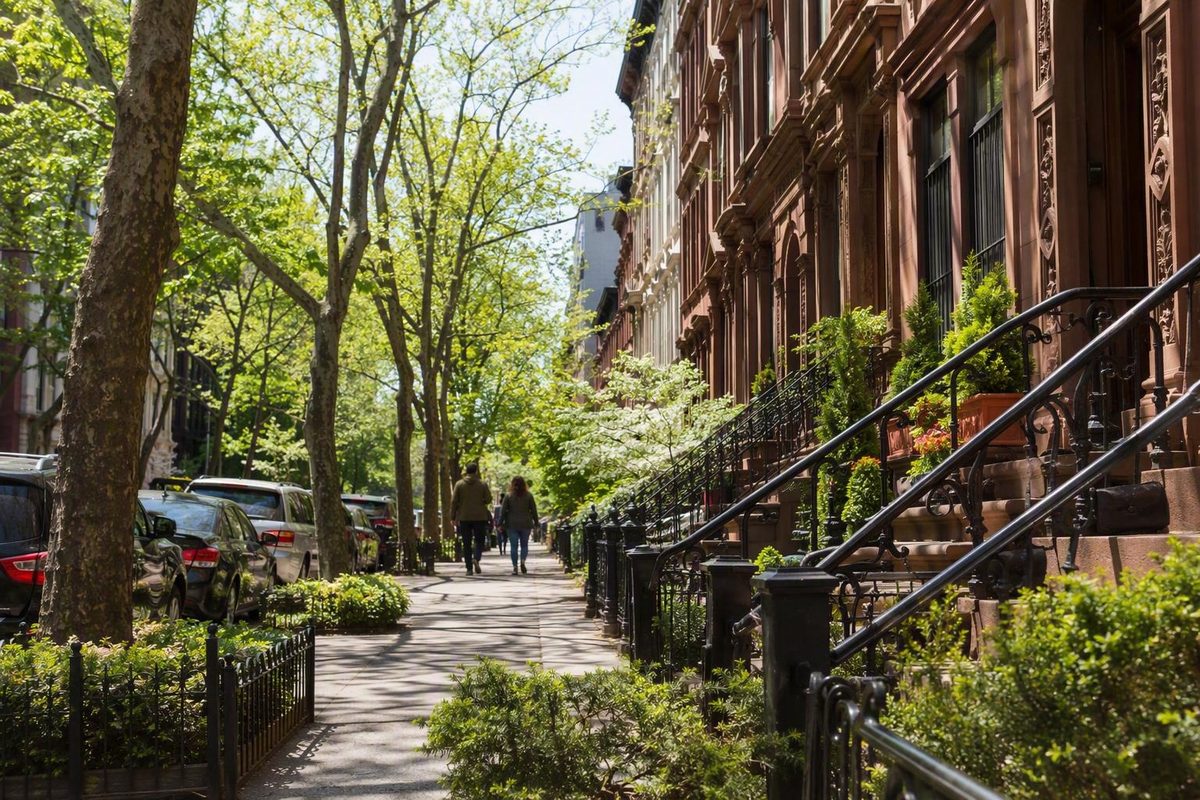
There is no single best place to stay in New York City. The right base is the neighborhood that puts you near the sights, restaurants, theaters, parks, museums, or nightlife that matter most to your trip—without forcing you to cross the city repeatedly.
Midtown is the practical default for many short first visits, but it is not automatically the right answer. NoMad may suit a food-focused weekend, the Financial District can simplify Lower Manhattan days, the Upper West Side works well for many families, and Chelsea or the Village may make evenings more enjoyable. Repeat visitors might prefer to spend more of the trip in Brooklyn.
The decision becomes easier when you choose the neighborhood first and the hotel second.
Start With Your Itinerary, Not a List of the Best Hotels
This guide interprets “New York” as New York City. If you are looking for a Catskills cabin, Finger Lakes cottage, Adirondacks resort, farm stay, campsite, or another property elsewhere in New York State, use a regional lodging search instead. New York State’s official tourism directory covers hotels, resorts, cabins, farm stays, campgrounds, and dude ranches across multiple regions—not just the city (browse the New York State lodging directory).
For a city trip, begin by putting your highest-priority places on a map. Include daytime attractions and likely evening destinations. A Broadway theater, Central Park museum, Chinatown dinner, and Brooklyn nightlife venue may all belong on the same wish list, but they do not belong to the same compact day.
Group the places geographically:
- Midtown: Broadway, Times Square, Rockefeller Center, Fifth Avenue, Grand Central, and major observation decks
- Uptown: Central Park, the American Museum of Natural History, and Museum Mile
- Lower Manhattan: the Financial District, the 9/11 Memorial, Battery Park, and ferry departure points
- West Side and Village areas: the High Line, galleries, independent restaurants, and nightlife
- Brooklyn: Brooklyn Bridge Park, DUMBO, Brooklyn Heights, and Williamsburg
Then ask which neighborhood supports the greatest number of your planned days and evenings. Do not choose a famous address if it creates an inconvenient return journey every night.
Trip length matters. On a three-night visit, reducing transit time may be more valuable than having a distinctive, residential-feeling base. On a weeklong stay, a quieter area, larger room, kitchen, or more comfortable evening routine may become more important.
Also consider:
- How much crowd intensity you tolerate
- Whether you expect to return after late dinners or shows
- What you want to walk to on the first day
- Whether your party can comfortably share a compact room
- Whether you need separate beds, connecting rooms, or multiple rooms
- Whether breakfast or a kitchen would simplify mornings
- Whether you will spend time relaxing at the property
- How much luggage you will carry between the hotel and transit
Proximity to a subway station is useful, but a station symbol on a map does not tell the whole story. Do not assume a station is step-free or that elevators will meet your needs without checking current official transit information.
A walking-first plan is usually more coherent than a checklist that sends you from Uptown to Downtown and back again. Build compact days in one part of the city, using the subway to reach the day’s starting area rather than for constant midday repositioning.
Quick Match: The Best NYC Base for Each Kind of Trip
Treat the following as conditional matches, not a ranking. Neighborhood boundaries blur, atmosphere changes block by block, and the actual position of a hotel can matter as much as the name of its district.
| Area | Best fit | Convenient sights or activities | General atmosphere | Principal tradeoff | Who should look elsewhere |
|---|---|---|---|---|---|
| Times Square and Midtown West | Short first trips, Broadway visits, and landmark-heavy itineraries | Broadway, Times Square, Rockefeller Center, observation decks, and major transit hubs | Intense, bright, and visitor-oriented | Crowds, street activity, and often compact hotel rooms | Travelers who want low-key evenings or a neighborhood-centered stay |
| Bryant Park and Midtown East | Visitors wanting Midtown access with some distance from the Times Square core | Bryant Park, Grand Central, Fifth Avenue, and Rockefeller Center | Central and busy, but less defined by Times Square | Still unmistakably Midtown; room prices and sizes vary widely | Travelers concentrating on Downtown nightlife or Brooklyn |
| NoMad and Flatiron | Food-focused weekends, couples, and split Midtown–Downtown itineraries | Restaurants, architecture, and walks toward Chelsea and the Village | Polished, central, and active | Less immediate for Broadway than Times Square; not necessarily cheaper | Visitors who want Central Park outside the door |
| Union Square and Gramercy | Dining, shopping, and access to several Downtown neighborhoods | Union Square, Flatiron, the East Village, and Greenwich Village | Lively near commercial and transit areas, more subdued on some side streets | Not beside many headline museum or landmark stops | Travelers with a tightly packed Midtown sightseeing schedule |
| Financial District | Lower Manhattan history, ferry plans, and Brooklyn access | Wall Street, the 9/11 Memorial, Battery Park, and ferry departures | Business-district setting with historic and waterfront areas nearby | Repeated Broadway, Central Park, or Uptown trips take more effort | Visitors whose evenings and attractions are overwhelmingly in Midtown |
| Upper West Side | Families, longer stays, Central Park, and museum visits | Central Park and the American Museum of Natural History | More residential in feel than Times Square, with comparatively slower evenings | Less nightlife and longer journeys to Lower Manhattan | Visitors prioritizing Downtown dining or late-night activity |
| Upper East Side | Museum-heavy, Central Park, couples, and luxury-oriented trips | Central Park and Museum Mile | Polished and museum-oriented | Accommodation can be expensive; less convenient for Downtown nightlife | Travelers planning most evenings below 14th Street |
| Chelsea | Galleries, the High Line, restaurants, nightlife, and LGBTQ+ interests | The High Line, galleries, rooftop venues, and access toward the Village | Creative, commercial, and nightlife-oriented depending on the block | Hotel expense and evening noise can be concerns | Visitors wanting a subdued residential base |
| Greenwich Village and West Village | Independent dining, jazz, nightlife, cultural history, and atmospheric walks | Washington Square, cafes, brownstone streets, and performance venues | Neighborhood-oriented and active in the evening | Fewer large hotels and often expensive, smaller rooms | Travelers seeking maximum landmark efficiency on a short first visit |
| SoHo, Nolita, and Lower East Side | Fashion, dining, and nightlife | Shopping, restaurants, and access to several Downtown neighborhoods | Energetic and evening-oriented | Less efficient for a Midtown-heavy first-trip checklist | Visitors who want to walk to Broadway and Rockefeller Center every day |
| Williamsburg | Repeat visitors planning substantial Brooklyn time | Restaurants, nightlife, and neighborhood exploration | Brooklyn-focused and destination-oriented | River crossings add friction to Manhattan-heavy days | First-time visitors with only a few days and mostly Midtown plans |
| DUMBO and Brooklyn Heights | Brooklyn Bridge access, waterfront walks, and a more residential-feeling base | Brooklyn Bridge Park, the Brooklyn Bridge, and Lower Manhattan access | Waterfront and skyline-oriented | Actual subway convenience varies by property | Visitors spending most days in Midtown or Uptown |
Travel guides frequently present Midtown as a convenient first-visit base while recommending NoMad, the Village, the Upper West Side, Downtown, or Brooklyn for different priorities. These are editorial judgments rather than objective neighborhood scores, and some of the guides include affiliate-supported hotel recommendations (compare the neighborhood profiles from New York on My Mind).
Midtown Without the Guesswork: Times Square, Bryant Park, and Midtown East
Midtown appears repeatedly in first-time visitor guides for a straightforward reason: it places a large concentration of well-known attractions and transport connections within or near one broad district. Broadway theaters, Times Square, Rockefeller Center, Fifth Avenue, the Empire State Building, Grand Central, and Penn Station can all factor into a Midtown-based itinerary.
That does not mean every Midtown hotel offers the same experience.
Times Square and Midtown West
Times Square is a convenience-first choice. It is especially practical when Broadway is central to the trip, when you have only a few nights, or when your group values walking back after an evening performance.
The drawbacks are equally important. Travel-guide authors commonly describe the Times Square core as crowded, hectic, noisy, and heavily visitor-oriented, with dining shaped substantially by tourist demand. These are broad editorial assessments, not conditions guaranteed on every block or in every room. Where Are Those Morgans recommends Midtown for first visits but favors the Bryant Park side over the busier Times Square and Garment District portions (read the guide’s Midtown assessment).
Times Square can still be the right choice if you want its energy rather than merely tolerating it. It can also work when a compact room is acceptable because you expect to spend nearly every waking hour outside.
The Times Square buffer strategy
You do not have to choose between sleeping directly amid the square’s activity and abandoning Midtown altogether. Search several blocks away from the busiest core, then compare routes to your theater, preferred subway lines, and other major stops.
Useful alternatives include:
- The Bryant Park side of Midtown
- Midtown East near Grand Central or Fifth Avenue
- Properties west or south of the core that remain walkable to Broadway
- NoMad or Flatiron if you are comfortable being farther from the theater district
A small map distance can produce a meaningful change in the immediate streetscape. Check the hotel’s exact entrance rather than relying only on a broad label such as “Times Square.”
Bryant Park and Midtown East
It can work well when your plans use east-side routes or when you prefer a central business-district setting to the constant spectacle of Times Square.
Neither area is guaranteed to be quiet or inexpensive. Midtown streets can change character through the day, and room position within a building may matter more than the neighborhood label.
Location versus usable room space
Central hotel rooms can be compact. That tradeoff may be entirely reasonable for a solo traveler or couple taking a short trip. It becomes more consequential for a family managing luggage, a group needing separate beds, or anyone planning to work or rest in the room.
Do not translate “sleeps four” into “comfortably accommodates four.” Examine the bed arrangement, published floor area, storage, bathroom setup, and whether the room remains usable after sofa beds or rollaways are deployed.
LUMA Hotel Times Square is one dated example of a central property that appeared with a strong user score and substantial review volume on Tripadvisor (view the dated Tripadvisor hotel results).
A separate Booking.com snapshot also showed LUMA with a strong guest score and thousands of reviews. The platforms used different rating scales, review populations, and search-specific prices, so the results are not directly comparable and do not guarantee current quality (see the dated Booking.com New York snapshot).
Midtown verdict: choose it when efficient access to Broadway and major Manhattan landmarks outweighs your desire for a neighborhood-oriented atmosphere. If you want that efficiency without sleeping in the most intense part of Times Square, compare Bryant Park, Midtown East, and hotels several blocks outside the core.
NoMad, Flatiron, Gramercy, and Union Square: Central With More Neighborhood Texture
NoMad and Flatiron offer a different version of central Manhattan. They remain useful for reaching Midtown, but they also support walking south and west toward Chelsea, Greenwich Village, and the East Village.
This cluster tends to suit travelers whose plans revolve around meals, drinks, architecture, and neighborhood walks rather than a sequence of Broadway shows and Midtown landmarks. The authors of Wheatless Wanderlust call Flatiron and NoMad their personal favorite, judging the area less hectic than Midtown and particularly strong for food and drinks. That is their preference, not a measurable citywide ranking (see the authors’ neighborhood comparison).
NoMad and Flatiron
NoMad works as a midpoint between Midtown and Downtown-oriented days. You can head north for the Empire State Building and Bryant Park, west toward Chelsea, or south toward Union Square and the Village.
Flatiron adds recognizable architecture and a central crossroads feel. Neither district should be described as universally quiet or residential: major avenues remain active, restaurants draw evening traffic, and construction or street noise can affect individual properties.
Likely fits include:
- A couple wanting a polished central base
- A food-focused long weekend
- Visitors dividing their time between Midtown and Downtown
- Travelers who want first-day walks toward Chelsea or Greenwich Village
- Repeat visitors who do not need Times Square outside the hotel
Union Square and Gramercy
Union Square provides a useful launch point for the Village, East Village, and Flatiron area. It is surrounded by dining, retail, and transportation activity. Gramercy can feel more removed from that intensity on some blocks, but its convenience depends heavily on the hotel’s exact location.
Little Grey Box praises the Union Square, Flatiron, and Gramercy cluster for dining, shopping, and subway access while noting that it is not immediately beside many major museums or tourist sights. The author also characterizes accommodation there as mostly mid-range to high-end, a reminder that moving away from Times Square does not guarantee a bargain (review the author’s area comparison).
Compared with Midtown, this group places less emphasis on Broadway and Rockefeller Center and more on access to Downtown neighborhoods. It may reduce travel for Village dinners while adding travel to Central Park or the theater district.
Broadway Plaza Hotel is an illustrative NoMad example. In dated platform snapshots, it appeared with high user scores on Tripadvisor and Booking.com, but those scores used different scales and review populations. Look beyond the headline number: compare review volume, recent comments, room type, cancellation terms, and the complete price for your dates. Tripadvisor’s displayed search was for one room and two guests on a specific August night, illustrating why a starting rate should not be treated as a general expectation (view the dated Tripadvisor listing page).
Lower Manhattan and the Financial District: Best for Downtown-Focused Days
The Financial District becomes more practical than Midtown when Lower Manhattan is not merely one excursion but a major part of the trip.
A Downtown base puts you near Wall Street, Battery Park, the 9/11 Memorial, and departure areas for Statue of Liberty and Ellis Island ferries. It can also position you for travel toward Brooklyn. Chinatown, SoHo, Tribeca, the Lower East Side, and Greenwich Village are accessible from Lower Manhattan, but they are separate neighborhoods—not attractions inside the Financial District.
Who should consider the Financial District?
This base is a strong candidate for:
- A history-focused itinerary
- Travelers spending substantial time at Lower Manhattan memorials and museums
- Visitors with ferry plans
- Trips that include multiple Brooklyn days
- Groups comparing apartment-style properties
- Travelers who prefer starting near the waterfront
The area also supports compact sightseeing. A day can begin around Battery Park or the harbor, move through the older Financial District streets and memorial areas, and finish in Chinatown or nearby. The walking-first Lower Manhattan itinerary offers one example of arranging the day without repeatedly doubling back.
The Downtown tradeoffs
Lower Manhattan is less efficient when you intend to visit Central Park, Broadway, or Uptown museums repeatedly. Those destinations remain reachable, but the cumulative travel matters. A visitor attending two Broadway shows and spending several days around Midtown may gain little from sleeping Downtown.
Some travel-guide authors characterize Downtown as comparatively good value or more subdued after business hours. Treat those descriptions as broad impressions rather than promises. Hotel rates fluctuate, evening activity varies by block, and the supplied evidence does not establish that Downtown is consistently cheaper than Midtown.
Artezen Hotel and Hotel Indigo NYC Financial District are dated booking-platform examples that appeared with high guest scores and substantial review counts near Lower Manhattan sights. The same snapshot described Hotel Indigo as a short walk from the 9/11 Memorial and placed Artezen within a mile of it. Verify current operation, exact address, recent reviews, room details, and full pricing before adding either property to a shortlist.
Apartment-style lodging
An aparthotel or apartment-style property can be useful when a group needs a kitchen, living space, or multiple bedrooms. Wheatless Wanderlust described Placemakr Wall Street as offering layouts from studios through three-bedroom apartments with kitchens, although the authors explicitly did not consider it inexpensive (see the guide’s apartment-style lodging discussion).
More space does not automatically mean better value. Compare the cost with two conventional rooms, check the bed configuration, and establish whether everyone has reasonable bathroom and sleeping access.
Do not rely on the former Sonder Battery Park recommendation found in older guides. A later update to the cited guide states that Sonder went out of business and that the Battery Park location no longer exists. The outdated listing illustrates why every property’s present operating status must be verified before booking.
Upper West Side and Upper East Side: Central Park, Museums, and Slower Evenings
The Upper West Side and Upper East Side sit on opposite sides of Central Park. They should not be treated as interchangeable. Your preferred museums, subway routes, evening destinations, and hotel options should determine which side—if either—works.
Upper West Side
The Upper West Side is a conditional recommendation for families, longer visits, and travelers who want Central Park or the American Museum of Natural History to shape the trip. It can also suit visitors who prefer evenings that feel less intense than Midtown.
Its drawbacks are the other side of that slower rhythm. There is less emphasis on nightlife than in many Downtown neighborhoods, fewer headline attractions immediately outside the hotel than in Midtown, and more travel when your plans focus on Lower Manhattan.
The Wallace is a dated Upper West Side example that appeared in the supplied Booking.com snapshot with a guest score of 9.3 from 1,152 reviews. Those figures are time-sensitive user-generated platform data, not an independent inspection or a guarantee of current quality, price, or availability (check current New York listings and dates).
Upper East Side
The Upper East Side better aligns with Museum Mile, the eastern edge of Central Park, and luxury-oriented stays. It can work for couples or museum-focused visitors who expect to spend evenings Uptown.
The tradeoffs include potentially expensive accommodation and less prominence for nightlife than in Chelsea, the Village, or the Lower East Side. A prestigious address has limited practical value if every dinner reservation requires a long return across or down Manhattan.
New York on My Mind distinguishes the Upper West Side as a family- and longer-stay option and the Upper East Side as a museum- and luxury-oriented choice, while noting the nightlife and price compromises of both. These remain the author’s editorial assessments rather than universal neighborhood conditions (compare the two Uptown profiles).
What families should compare
Once you have chosen a side of the park, compare properties on practical room usability:
- The actual bed configuration
- Connecting-room availability
- Whether connecting rooms can be guaranteed
- Published room dimensions
- Breakfast availability and cost
- Kitchen or kitchenette details
- Elevator access
- The number and layout of bathrooms
- The complete cost of one larger room versus two rooms
Verify every important feature directly with the property. Do not assume that a general family-room category includes a kitchen, that elevators reach every floor, or that a nearby subway station provides step-free access.
Chelsea, Greenwich Village, West Village, SoHo, and the Lower East Side
These neighborhoods are stronger candidates when you care as much about the first walk of the morning and the end of the evening as you do about reaching major landmarks efficiently.
Chelsea
Chelsea fits a trip centered on the High Line, galleries, restaurants, rooftop venues, and nightlife. Travel guides also emphasize its associations with LGBTQ+ community and culture. Its position between Midtown and the Village makes it useful for travelers dividing their attention between both.
Possible drawbacks include expensive hotels, nightlife noise, and blocks that feel more commercial than residential. The experience can change considerably between the gallery areas, avenues, waterfront side, and busier nightlife corridors.
Choose Chelsea when galleries and the High Line are central—not merely items you plan to visit once.
Greenwich Village and the West Village
The Village areas suit travelers drawn to brownstone streets, independent cafes and restaurants, jazz, nightlife, and cultural history. LGBTQ+ history is also an important reason some visitors choose to spend time here.
The hotel market creates the principal compromise. Travel guides describe Village accommodation as limited in number, often boutique-oriented, expensive, and frequently compact. A traveler may therefore love the area while finding that the available room does not meet the party’s space or budget requirements.
Choose Greenwich Village or the West Village when atmospheric streets, independent dining, and evenings nearby are central to the purpose of the trip.
SoHo, Nolita, and the Lower East Side
These areas are possible bases for visitors prioritizing fashion, restaurants, and nightlife. Their appeal is less about minimizing travel to every major attraction and more about placing the traveler inside the part of Downtown they want to explore.
Avoid broad assumptions about noise, price, or personal security. Conditions vary by block, date, room position, and property. Inspect the specific route between the hotel, subway, and your likely evening venues.
Choose SoHo or the Lower East Side when shopping, dining, and nightlife outweigh the convenience of walking to Broadway.
Neighborhood atmosphere versus landmark efficiency
A neighborhood-oriented stay changes how the trip feels. You may begin with coffee nearby, return between activities, or finish dinner without another cross-city journey. The cost is that a short itinerary dominated by Broadway, Rockefeller Center, and Central Park may become less efficient.
That is not a defect in these areas. It is a mismatch between base and itinerary. Chelsea is the stronger scenario match for galleries and the High Line; the Village suits independent dining and atmospheric streets; SoHo, Nolita, and the Lower East Side suit fashion, restaurants, and nightlife.
Brooklyn or Manhattan: When Williamsburg, DUMBO, and Brooklyn Heights Make Sense
Staying in Brooklyn can be entirely practical, but it should be an affirmative itinerary choice—not a decision based on the assumption that every Brooklyn hotel is cheaper, quieter, or close to Manhattan.
Several travel guides position Brooklyn primarily for repeat visitors or people who want to spend meaningful time in Brooklyn itself. That framing makes sense because river crossings add friction when nearly every planned attraction is in Midtown or Uptown.
Williamsburg
Williamsburg can suit returning visitors interested in the neighborhood’s restaurants, nightlife, and daily atmosphere. It works best when Williamsburg is itself a destination rather than merely a place to sleep before commuting into Manhattan each morning.
Check the exact route from the hotel to your planned Manhattan destinations. “Near the subway” is not enough if the trip requires inconvenient transfers for most of your itinerary.
DUMBO and Brooklyn Heights
DUMBO and Brooklyn Heights offer access to Brooklyn Bridge Park, the Brooklyn Bridge, and skyline-oriented waterfront experiences. There She Goes Again presents DUMBO, Brooklyn Heights, and nearby Downtown Brooklyn as more residential-feeling options that retain subway access toward Manhattan (review the Brooklyn and Manhattan base comparison).
Again, the hotel’s exact position matters. Map the property rather than relying on a broad Brooklyn label.
A practical first-trip rule
For a three-night first trip dominated by Broadway, Central Park, Midtown observation decks, and Fifth Avenue, Manhattan will usually be the more efficient base.
For a repeat visit involving multiple Brooklyn neighborhoods, long meals in Williamsburg, waterfront time, and fewer Midtown obligations, Brooklyn may justify the additional crossings.
Do not assume Brooklyn is always cheaper, safer, quieter, or more “local” than Manhattan. Those conclusions require property- and block-specific evidence. Long Island City and New Jersey can also appear in accommodation searches, but they are outside this guide because responsible comparison would require more detailed evidence about routes, transfers, and total trip costs.
How to Choose the Hotel After You Choose the Neighborhood
Once you have narrowed the city to two or three suitable areas, compare hotels systematically.
1. Enter exact dates and occupancy
Search with the actual number of adults and children, required rooms, and stay dates. A room shown in a general listing may not permit your party’s occupancy.
Do not treat an advertised starting rate as the likely cost. Taxes and mandatory charges can also alter the total.
2. Keep two or three neighborhoods in play
Do not search the entire city, but do not commit too early to one district either. A useful shortlist might be:
- Bryant Park, Midtown East, and NoMad for a short first trip
- Financial District, SoHo, and Chelsea for a Downtown-focused visit
- Upper West Side plus selected Midtown options for a family trip
- Williamsburg, DUMBO, and Lower Manhattan for a Brooklyn-heavy repeat visit
This keeps the search focused while preserving alternatives if prices or room layouts are unfavorable.
Budget lodging is dispersed rather than concentrated in one reliably cheapest neighborhood. Compare suitable properties across your shortlist instead of assuming that Downtown, Brooklyn, or any other area will always cost less.
3. Map each leading hotel
For every candidate, map routes to three or four priority destinations. Include a likely late-night return—not just daytime sightseeing.
Check:
- Walking time to useful subway service
- Whether the route is direct or requires transfers
- The walk between the station and hotel
- The route back after your latest planned evening
- Whether you would realistically walk to nearby attractions
- Whether construction or major road barriers affect the route
Do not infer accessibility from distance alone. Verify station access and property features separately through current official or first-party information.
4. Compare the complete stay price
Use the total for the entire stay, not a per-night headline. Compare the same occupancy, room type, and cancellation flexibility.
A platform price is a dated search snapshot, not a stable statement about what the hotel normally costs. Current totals can vary with dates, occupancy, room category, taxes, mandatory charges, events, availability, and booking conditions.
5. Read ratings in context
A high guest score is not an independent hotel inspection. Consider:
- Review volume
- How recently reviews were posted
- Whether recent reviews differ from older ones
- Repeated comments about noise, elevators, room size, or maintenance
- Whether comments refer to your exact room category
- Whether the score comes from verified stays
- Differences in platform rating scales
A slightly lower score supported by a large body of current, consistent reviews may be more informative than a near-perfect score from a small or outdated sample.
6. Compare usable room value
The lowest nightly price may provide poor value if the room cannot comfortably accommodate your party.
Review:
- Bed type and count
- Published floor area, where available
- Space around open luggage
- Kitchen availability
- Connecting-room policies
- Multi-room layouts
- Bathroom count
- Desk or seating needs
- Whether breakfast changes the practical cost
Families and groups should compare one apartment-style unit with two conventional rooms rather than assuming one arrangement will be cheaper.
7. Verify critical details directly
Before paying, confirm:
- Current operating status and address
- Exact room category and permitted occupancy
- Mandatory charges and deposit requirements
- Cancellation and change terms
- Entrance and room accessibility
- Elevator availability
- Luggage storage
- Breakfast details
- Kitchen equipment
- Connecting-room availability
- Check-in and check-out procedures
If accessibility is essential, obtain precise answers about the entrance, route to the room, elevator, bathroom, and bed—not a general assurance that the hotel is “accessible.”
8. Be cautious with informal apartment offers
Travelers wanting more space should begin with established hotels or aparthotels and independently confirm the property’s current operating status and booking terms.
Do not assume that an apartment-style listing is suitable simply because it appears on a platform. Establish who operates it, what accommodation is being sold, what protections apply, and whether the address and unit details can be verified before payment.
Final booking checklist
Before confirming, make sure you can answer yes to the following:
- The location supports most of my planned days or evenings.
- I understand the route from the hotel to my priority attractions.
- I have checked a realistic late-night return route.
- The room layout works for every guest.
- I have investigated recurring noise concerns.
- I know the complete stay price.
- I have read recent reviews, not just the headline score.
- I understand cancellation and deposit terms.
- I have verified every essential amenity.
- I have confirmed that the property is currently operating at the stated address.
Every named property in this guide is an illustrative example from dated source material, not a guarantee of present availability, amenities, quality, or suitability.
Frequently Asked Questions
What is the best area to stay in New York City for a first-time visitor?
Midtown is the most practical default for many first-time visitors, especially on a short trip focused on Broadway, Times Square, Rockefeller Center, Fifth Avenue, Grand Central, and observation decks. Go Ask A Local similarly presents Midtown or Flatiron as convenient choices for major sightseeing while emphasizing that neighborhood preferences remain subjective (compare the guide’s first-visit recommendations).
It is not universally best. Choose the Financial District if several days center on Lower Manhattan, the Upper West Side for a Central Park and museum-focused family trip, or NoMad when you want central access with easier walks toward Chelsea and the Village.
Where can I stay near Times Square without being in the busiest part of it?
Look several blocks outside the square’s central core or compare the Bryant Park side of Midtown. Midtown East is another option if access to Grand Central, Fifth Avenue, and Rockefeller Center matters more than being beside Broadway.
NoMad and Flatiron place you farther away but retain a central position and improve access toward Chelsea and the Village. Always inspect the exact hotel location: a broad “Times Square” label can cover properties with meaningfully different surroundings.
Is it better to stay in Midtown or Downtown Manhattan?
Stay in Midtown if Broadway, Central Park South, Rockefeller Center, Fifth Avenue, and Midtown observation decks dominate the itinerary.
Stay Downtown if your plans emphasize Wall Street, the 9/11 Memorial, Battery Park, ferry departures, Chinatown, SoHo, or repeated Brooklyn visits.
For a balanced itinerary, NoMad, Flatiron, or Union Square may reduce the need to choose one extreme. The right answer depends less on which district is famous and more on where you will spend your days and evenings.
Which NYC neighborhood is a good fit for families?
The Upper West Side is a strong conditional choice for families prioritizing Central Park, the American Museum of Natural History, longer stays, and comparatively slower evenings. Midtown may be more efficient for a short landmark-heavy trip, while Lower Manhattan apartment-style properties can appeal to groups needing kitchens or multi-room layouts.
The neighborhood alone does not make a room family-friendly. Verify bed configuration, connecting rooms, kitchen details, elevators, breakfast, permitted occupancy, and the complete cost.
Should I stay in Manhattan or Brooklyn on my first New York trip?
Choose Manhattan for most short first trips centered on Broadway, Central Park, Midtown landmarks, and observation decks. It generally reduces river crossings and makes a tightly scheduled itinerary easier.
Choose Brooklyn when Brooklyn is a substantial part of the trip—not merely because a hotel search returned an appealing property there. Williamsburg can work for neighborhood-focused evenings, while DUMBO and Brooklyn Heights suit waterfront and Brooklyn Bridge plans. Map every candidate hotel to your actual destinations before booking.
Choose the Base That Supports Your Real Plans
The most useful base is the one that supports the largest share of your itinerary on foot and provides sensible subway routes for everything else. Midtown remains an efficient default for many short first trips, but it should not override your actual plans.
Choose the neighborhood first, then compare current hotels by useful subway access, usable room space, recent reviews, essential features, and the complete stay price. A well-matched neighborhood is more valuable than a famous address that makes you cross the city unnecessarily.