 New York Know
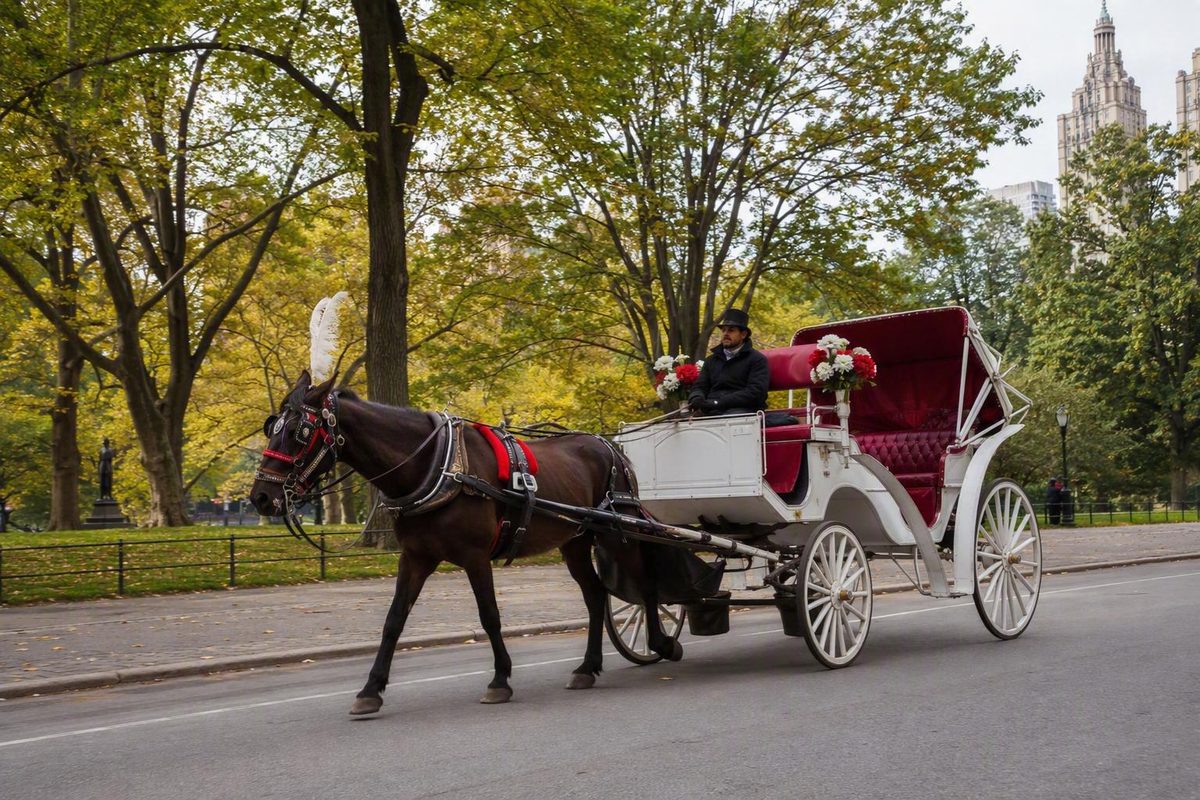
A Central Park carriage ride is neither proven safe nor proven unsafe, so booking one means accepting a demonstrated but unmeasured risk. On June 17, 2026, 18-year-old visitor Romanch Mahajan died after a horse bolted and his family’s carriage overturned. The Central Park Conservancy counted eight carriage-related safety incidents in the 13 months before its June statement. On August 29, a 17-year-old carriage horse named Snowman fell in the park. None of the reporting gives a total for rides, passengers or carriage-miles, so nobody can put a probability on harm during one ordinary ride. Rides are running under the existing rules while a City Council bill that would end the trade on June 1, 2028 waits for a vote. If that open question would sit with you for the whole loop, leave the carriage out and walk the park. If it would not, there are checks at the stand that tell you when to board and when to walk away.
Answer the three questions; the verdict updates above them and tells you what to check at the stand.
Should You Board a Central Park Carriage Today?
Answer the three questions
Baseline from reporting through Sept 2, 2026: rides running under existing rules with 68 permitted carriages; one fatal rollover on June 17, 2026; eight incidents in the prior 13 months; per-ride odds unknown; a pending bill would end operations on June 1, 2028 if passed.
What the checks are based on
| Date | Event | Reported outcome |
|---|---|---|
| June 17, 2026 | Driver left the box; horse bolted; carriage overturned | One death; minor injuries; cause under investigation |
| 13 months to June 2026 | Eight safety incidents, incl. a horse entering traffic | No ride totals, so no rate |
| June 23, 2026 | Rides resumed with safety teams in the park | Duration of extra oversight not reported |
| July 15, 2026 | Council hearing on Romanch's Law | 26 of 51 co-sponsors; not yet law |
| Aug 29, 2026 | Horse Snowman stumbled and fell mid-ride | No injuries reported; vet clearance attributed, not verified |
Sources: ABC News and ABC7 (June incident and resumption), Central Park Conservancy count via ABC News, amNewYork (July 15 hearing), Hoodline (Aug 29 fall). No published ride volume exists, so no per-ride probability is shown.
This assessment covers incidents through August 2026 and reporting published through September 2, 2026. It does not verify operating conditions, licensing or legislation for the day of your visit, so confirm the current status before making a carriage ride part of your itinerary.
What the June 2026 Fatal Rollover Showed
Mahajan was riding with family when the driver left the driving position to photograph them. Police and the Transport Workers Union said the horse then ran off for reasons described at the time as unknown. The runaway carriage clipped another carriage and overturned. Mahajan fell from it and later died at a hospital. Police said his relatives sustained minor injuries and that the investigation remained ongoing. ABC News reported the police and union accounts of the incident.
The union said the driver’s decision to leave the carriage box violated its protocol. That is the union’s characterization, not a final regulatory or investigative finding. The reported sequence puts driver conduct in the chain of events, but it does not establish why the horse fled or every factor behind the rollover, and it does not show that following the protocol would remove all risk.
Service was suspended. According to the union, the driver was suspended and the horse was retired, and drivers were to review rules on horse control, carriage handling and tethering. Rides resumed on June 23, 2026, with safety teams reportedly stationed in the park and the union calling for refresher training and more hitching posts. ABC7 reported the resumption and the measures discussed at the time. The reporting does not say how long the added oversight lasted, whether every proposed measure was implemented or whether any of it reduced risk.
Eight Incidents in 13 Months Is a Count, Not a Rate
The Conservancy’s eight incidents, reported by ABC News, include a horse that entered traffic and struck several cars. Eight is a raw count. The report gives no matching total for rides, passengers or miles, no consistent definition of an incident and no severity breakdown, so it cannot be turned into an accident rate.
| Date | What happened | Reported outcome |
|---|---|---|
| June 17, 2026 | Driver left the box; horse bolted; carriage clipped another and overturned | One death; relatives with minor injuries; cause still under investigation |
| 13 months to June 2026 | Eight safety incidents, including a horse entering traffic and hitting cars | Outcomes not detailed consistently; no ride volume given |
| Aug 29, 2026 | Snowman, a 17-year-old Percheron, stumbled and fell while pulling a carriage | No passenger or driver injuries; horse reportedly cleared by a vet |
The August event was separate from the fatal runaway. Hoodline reported that an unnamed veterinarian cleared Snowman of injury, but the account included no independent veterinary documentation, so that assessment stays attributed rather than verified.
Taken together, the reports identify bolting, falls, collisions and rollovers as real hazards, driven by horse behavior, driver conduct, carriage stability and shared space with pedestrians, cyclists, scooters and cars. They do not quantify the risk of any one of those on an ordinary ride.
It also helps to keep four questions apart. Passenger safety is the chance of injury to people in the carriage. Public safety is harm to people nearby. Driver safety is an occupational question. Horse welfare is the animals’ health and suitability for city work. An uncontrolled horse threatens all four at once, but evidence on one does not settle the others. This article is about whether you board, not the wider ethical argument.
Rides Are Running and the 2028 Ban Is Not Law
Reporting published September 2, 2026 said carriage operations continued under the existing rules, capped at 68 permitted carriages working from three West Side stables. That describes conditions at the time, not the status on the day you visit.
Romanch’s Law remained a proposal, not an enacted ban. If passed, it would stop the issuance or renewal of carriage licenses and prohibit operations from June 1, 2028. At the July 15 hearing the bill had 26 co-sponsors among the Council’s 51 members, Council Speaker Julie Menin had publicly backed it and the drivers’ union opposed it. amNewYork reported the provisions, sponsorship and union position. A separate July report said carriages remained operational while Mayor Zohran Mamdani and Speaker Menin supported a ban and the Council prepared its hearing; City & State described the situation as of July 14.
Sponsorship is not passage. A committee hearing is not a full Council vote, and the 2028 prohibition is not a settled outcome. Nor does the political count say anything about the safety of a typical ride. Before planning around a carriage, check the latest operating status, licensing information and legislation through current New York City agency and City Council records; an older travel page may describe rules that no longer apply.
Six Checks Before You Board
You do not need a verdict on the whole industry. You need to decide whether this optional activity fits your tolerance for uncertainty, and then screen the conditions in front of you.
| Check | What the record shows | What to do |
|---|---|---|
| Risk tolerance | A fatal rollover happened; per-ride odds are unknown | Skip the ride if that unknown would spoil it |
| Driver and operator | Driver conduct was part of the June sequence | Ask to see current credentials and how passenger rules, training and emergencies are handled |
| Driving position | The driver reportedly left the box before the horse ran | Do not let the ride begin until the driver is seated and in control |
| Horse’s condition | Horses have bolted, entered traffic, stumbled and fallen | Do not board a horse that looks distressed, injured, exhausted or hard to control |
| Surroundings | Carriages share space with park and street traffic | Weigh weather, congestion and visible conflicts with bikes, scooters or vehicles |
| Boarding and seating | The June rollover threw a passenger out | Ask how boarding, seating and fall risk are handled |
These checks cannot guarantee a safe ride. They are pre-departure screens for conditions that should make you unwilling to board. Asking for credentials is reasonable, but this article does not verify which licenses, inspections or documents apply on your date. Judging that a horse looks unwell is a cautious consumer call, not a veterinary diagnosis.
Questions for Families and Anyone With Limited Mobility
For multigenerational groups, ask before anyone climbs up: is there a stable step or handhold, where should children sit, what should passengers avoid doing while the carriage moves, and how will the driver help someone with limited mobility? If the answers are vague or the boarding setup feels unstable, walk away before departure.
Look at the whole setting rather than the carriage alone. Poor weather, heavy mixed traffic or a driver visibly struggling with the horse is enough reason to omit the ride. The June incident makes the driver’s position the single most relevant pre-departure check, but compliance with one protocol does not prevent every runaway, collision or fall.
When Walking Is the Better Call
If the uncertainty is not worth it to you, leave the carriage out. Walking is the simplest way to experience Central Park at your own pace and it keeps the day flexible, though no city activity is risk-free.
The practical conclusion is that a catastrophic carriage accident is possible and its likelihood is unknown. A visitor comfortable with that can ask the questions above and judge the stand before boarding; a risk-averse visitor can explore the park on foot instead. Either way, check current official operating and legislative information before you finalize plans.