 New York Know
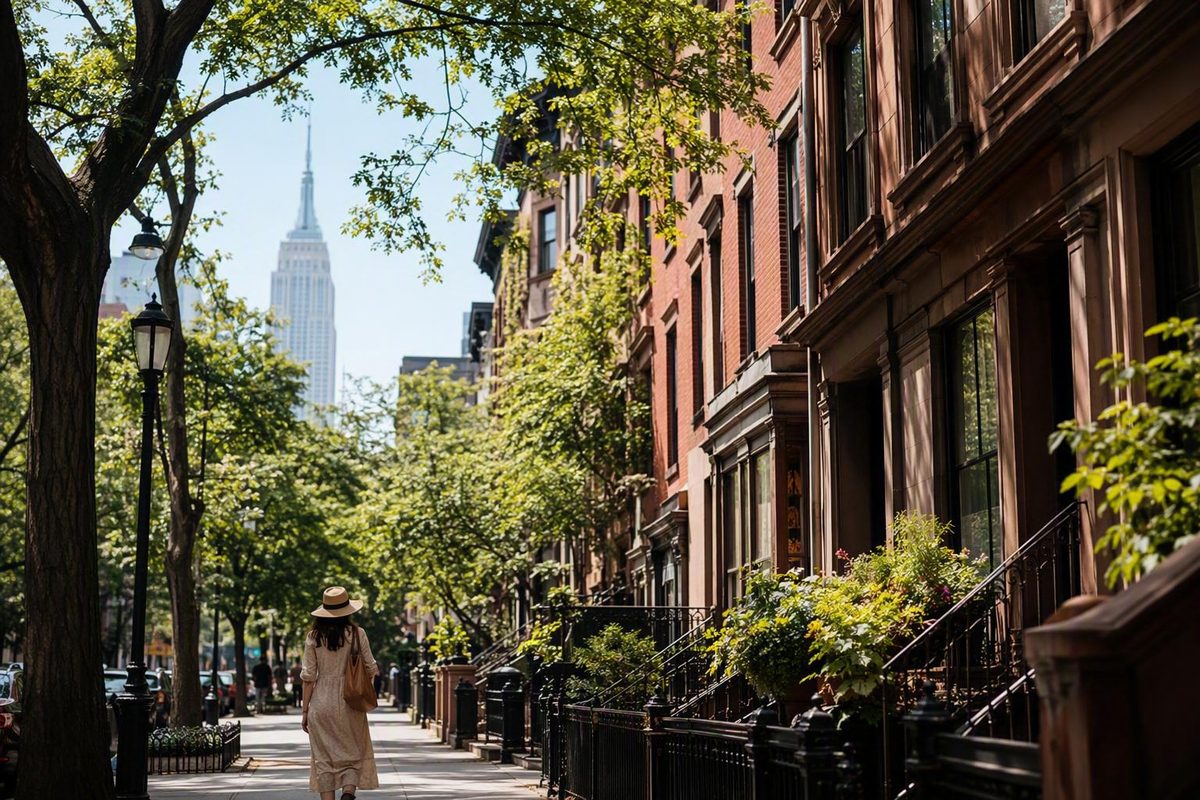
See more of New York by crossing less of it.
A useful New York City itinerary is not the one with the longest list of landmarks. It is the one that protects your priorities, keeps consecutive stops close together, and leaves room for meals, transit, weather, and fatigue.
This plan uses three core days—Lower Manhattan, Midtown, and Central Park with one museum—followed by two optional extension days. Each route has a geographic logic, but none should be followed mechanically. Stops are labeled Priority, Optional, or Easy to cut, so you can slow down without rebuilding the entire trip.
How to Use This Three- to Five-Day NYC Itinerary
Three days in New York is a highlights trip, not comprehensive coverage. Use Days 1 through 3 to experience three distinct parts of Manhattan:
- Lower Manhattan and the harbor
- Midtown and an optional Broadway performance
- Central Park and one major museum
A fourth day adds the connected West Side corridor from Hudson Yards through the High Line, Chelsea, and—if your energy holds—the West Village. A fifth day gives you space for either a fuller Brooklyn outing or a dedicated Liberty and Ellis Islands excursion.
The central rule is simple: walk within a neighborhood cluster and use transit for the longer move between clusters. This reflects New York Know’s area-based approach to planning New York days. A compact route can still involve substantial walking, but it avoids spending energy on repeated trips from one side of the city to another.
Protect one anchor each day
Most days should have no more than one time-intensive anchor. An anchor might be:
- A major museum
- Liberty and Ellis Islands
- An observation deck
- A guided tour
- A Broadway or other evening performance
Once that anchor is fixed, treat the surrounding landmarks as a flexible route rather than a chain of appointments. A major museum followed by an observation deck, a long restaurant reservation, and a performance may look possible on a map, but it leaves little room for delays, meals, or genuine interest.
Keep part of the day unassigned
Do not schedule every hour. Leave an open meal window, a short rest, and a buffer before timed admission or a performance. That buffer may become a coffee stop, a longer museum visit, a service delay, or twenty minutes sitting in a park.
The labels used throughout this itinerary mean:
- Priority: The stop or experience that gives the day its structure.
- Optional: Worth adding when it matches your interests, weather, and stamina.
- Easy to cut: The first element to remove when the day is running late.
Days can be reordered. Put Central Park or the High Line on the most comfortable outdoor day. Move a museum to a day of rain, extreme heat, or cold. Let performance dates and attraction availability determine which evening belongs to Midtown.
Before departure, confirm current opening schedules, admission requirements, accessibility information, and reservation rules directly with each attraction or transport provider.
Day 1: Lower Manhattan, the Harbor, and an Optional Brooklyn Finish
Lower Manhattan contains enough major sights to fill a day without leaving the area. The route works best when it begins near the harbor, passes through the Financial District and World Trade Center campus, and then turns east toward the Seaport or Chinatown. New York Know’s walking-first Lower Manhattan route follows the same general north-and-east logic.
Morning: The Battery and Financial District
Priority: Begin near the Battery. Starting at Manhattan’s southern edge gives the day a clear direction. Spend some time by the water, then walk toward Bowling Green and into the older street pattern of the Financial District.
Continue through the area around Wall Street and Trinity Church. The value of this section is not in lingering at every building or sculpture. It is in seeing how the harbor, finance, civic history, churches, towers, and narrow streets fit within one compact district.
A practical sequence is:
- Priority: The Battery and waterfront
- Optional: Bowling Green
- Priority: Wall Street area
- Optional: Trinity Church and churchyard
- Easy to cut: Shopping, secondary sculptures, or lengthy photo stops
If you want a harbor experience, decide in advance which of two very different options fits your trip.
Harbor choice one: Staten Island Ferry
Choose the Staten Island Ferry when your goal is a free harbor ride with a more distant view of the Statue of Liberty and the Lower Manhattan skyline. The ferry does not stop at Liberty Island or Ellis Island, so it should not be treated as equivalent to visiting either island, as this comparison of the harbor options explains.
This option fits Day 1 because it begins and ends in Lower Manhattan. Even so, allow room for boarding and the return journey rather than treating it as a quick photo stop. Check current procedures and service information before traveling.
- Priority: If a free harbor ride is one of your main interests
- Optional: If you already plan another cruise or island visit
- Easy to cut: In poor weather or when the World Trade Center area matters more
Harbor choice two: Liberty and Ellis Islands
If you want to set foot on Liberty Island, visit island museums, or spend meaningful time with immigration history, move the experience to Day 5.
- Priority: Island access and historical interpretation
- Optional: Additional monument access, if currently available and reserved
- Easy to cut: Other downtown sightseeing after the excursion
Trying to combine both islands, a detailed Financial District walk, the 9/11 Memorial Museum, and Brooklyn in one day creates competing anchors. Choose the island excursion or the fuller Lower Manhattan route, not both.
Midday: World Trade Center and memorial area
Walk north toward the World Trade Center campus.
Priority: Visit the 9/11 Memorial as an outdoor route stop. Give the space time and attention rather than treating it merely as a shortcut between attractions. The surrounding campus includes the Oculus, which can provide an indoor pause and a convenient point from which to reassess the day.
Optional anchor: 9/11 Memorial Museum. Enter only if it is one of the day’s principal experiences. A detailed visitor account reported spending about three hours there on a separate visit, illustrating why the museum should not be treated as a brief addition to an already crowded downtown day.
If you choose the museum:
- Priority: The museum and sufficient time around the memorial
- Optional: A shortened Financial District walk
- Easy to cut: The Staten Island Ferry, extended photo stops, and Brooklyn
- Leave emotional as well as logistical space after the visit
Afternoon: Seaport or Chinatown
From the World Trade Center area, turn east rather than doubling back south.
The South Street Seaport is a practical place for lunch and a change of scenery near the East River. Alternatively, continue toward Chinatown and make the meal the neighborhood finish. Both choices preserve the route’s geographic logic.
- Priority: A proper lunch and rest
- Optional: Seaport waterfront
- Optional: Chinatown food and street exploration
- Easy to cut: Little Italy, the Lower East Side, or additional shopping
Do not add every surrounding neighborhood simply because the streets connect on a map. Attention and energy are finite.
Optional finish: Brooklyn Bridge and DUMBO
Add the Brooklyn Bridge and DUMBO only if you still have meaningful daylight, time, and walking capacity. This is an extension, not part of the essential Day 1 route.
If you continue, cross from Manhattan into Brooklyn, explore the waterfront around DUMBO and Brooklyn Bridge Park, and then reassess. A second bridge crossing is not required. One published trip account describes abandoning a planned return walk and taking the subway because of fatigue—a useful reminder to make the final decision in real time rather than at the planning desk.
- Priority: None; this is an extension to the downtown core
- Optional: One bridge crossing and a short waterfront walk
- Easy to cut: The entire Brooklyn extension
- First reduction: Return by transit instead of walking across the bridge again
If you are already tired at the Seaport, save Brooklyn for Day 5.
Same-area bad-weather version
In sustained rain, strong wind, heat, or cold:
- Shorten the waterfront start.
- Walk a reduced Financial District route.
- Use the Oculus as an indoor pause.
- Visit the 9/11 Memorial Museum only if it was already selected as the day’s anchor.
- Take an indoor lunch break near the World Trade Center, Seaport, or Chinatown.
- Remove the bridge extension.
The priority remains the civic and memorial core. The easy cut is exposed waterfront and bridge time. Confirm current admission, security, operating, and accessibility information before traveling.
Day 2: Midtown Landmarks, One Skyline View, and Broadway
Midtown’s recognizable sights can form a coherent east-to-west route. The mistake is not visiting several Midtown landmarks; it is bouncing among them in an order that repeatedly retraces the same streets.
Morning: Grand Central to Bryant Park
Priority: Start at Grand Central. Explore the main interior without turning the terminal into a rushed photo stop. Beginning indoors also gives the day some resilience in poor weather.
From Grand Central, move west toward Bryant Park and the New York Public Library. These stops belong naturally within the same walking sequence.
- Priority: Grand Central
- Priority: Bryant Park and the library area
- Optional: Time inside the library, subject to current visitor access
- Easy to cut: Unplanned shopping or a long detour south
If conditions are unpleasant, spend more time with available interiors and shorten the outdoor pauses. The next cluster remains close enough to preserve the route.
Midday: Fifth Avenue to Rockefeller Center
Continue toward Fifth Avenue, St. Patrick’s Cathedral, and Rockefeller Center. Think of these as a connected architectural walk rather than separate appointments requiring transportation.
A sensible sequence is:
- New York Public Library and Bryant Park
- Fifth Avenue
- St. Patrick’s Cathedral
- Rockefeller Center
- Priority: The east-to-west walking sequence
- Optional: Longer interior visits where current access permits
- Easy to cut: Shopping and side trips away from the route
Take lunch before or after this sequence according to any timed reservation. Do not let a ticket eliminate the meal window.
Choose one observation deck
New York has several paid skyline experiences, but this itinerary recommends choosing one. Multiple decks may offer different perspectives, yet stacking them can consume time that would otherwise go to neighborhoods, meals, or a performance.
For this route, a Rockefeller Center observation deck fits naturally because you are already there. The Empire State Building is a reasonable replacement if the building itself is a personal priority, but it sits south of this walking line and should replace another stop rather than being added automatically.
There is no universally best observatory. Compare:
- The view you care about
- Indoor and outdoor components
- Location relative to the rest of your day
- Current ticket price
- Timed-entry rules
- Weather policies
- Accessibility
-
Available reservation times
-
Priority: The Midtown walking route
- Optional anchor: One observation deck, if a skyline view matters to you
- Easy to cut: A second paid viewpoint
Times Square as a transition
Use Times Square as a short stop, preferably while moving toward dinner or a theater. You can experience the scale, lights, and crowds without making it the center of the day.
If you are attending a Broadway performance, Times Square becomes a natural evening transition. If not, visit briefly and continue to dinner or a short architecture-focused walk.
- Priority: Only for travelers who have always wanted to see it
- Optional: For everyone else
- Easy to cut: If Midtown has already felt overwhelming
Evening: Broadway or a slower alternative
Broadway is optional. If you want a performance, reserve enough time for an unrushed meal beforehand. A traveler who encountered crowded Theater District restaurants before a show makes a practical case for reserving dinner or eating outside the most congested blocks before heading to the theater with time to spare.
A workable evening rhythm is:
- Finish sightseeing.
- Sit down for dinner or choose a simple meal away from the densest theater blocks.
- Leave a buffer for walking, entry procedures, and finding your seat.
- Attend the performance without another attraction scheduled afterward.
- Optional anchor: Broadway or another performance
- Priority if attending: Dinner and a pre-show buffer
- Easy to cut: Additional sightseeing after the performance
If theater is not important to you, use the evening for a relaxed dinner, a short architecture walk, or an early return. A lighter evening may make Day 3 more enjoyable.
In poor weather, preserve the route with Grand Central, available library interiors, a reserved observation experience with indoor components, and a longer meal. Cut exposed pauses rather than replacing Midtown with an unrelated cross-city trip.
Day 3: Central Park and One Major Museum
Day 3 has one major decision: choose the Metropolitan Museum of Art or the American Museum of Natural History. Do not plan to cover both in depth on the same day.
The museums sit on opposite sides of Central Park. Selecting one determines which park features fit naturally around it.
Option one: The Metropolitan Museum of Art
Priority anchor: The Met. The museum is too large to cover fully in one visit. Before arriving, select a few departments, galleries, or themes rather than beginning with the goal of seeing everything. A five-day guide written by a former New York resident similarly recommends choosing only a few sections instead of attempting the entire museum in one visit.
Pair the museum with park features on or near the east-to-central side. Depending on your preferred distance, that might include:
- Optional: The Reservoir
- Optional: Bethesda Fountain
- Optional: Bow Bridge
- Easy to cut: A long cross-park loop
- Easy to cut: Additional Fifth Avenue attractions
A museum-first plan works well when the weather is uncertain. A park-first plan may feel better on a comfortable morning, but do not let a “short park walk” become a multi-hour loop before a major museum.
Option two: American Museum of Natural History
Priority anchor: American Museum of Natural History. Pair it with western or central park features that suit your route.
Possible additions include:
- Optional: Strawberry Fields
- Optional: Bow Bridge
- Optional: Bethesda Fountain
- Easy to cut: A Reservoir detour
- Easy to cut: Crossing the park merely to add Fifth Avenue
The museum and park should feel like two parts of one day, not a prelude to another full Midtown schedule.
Relaxed version
The relaxed version is straightforward:
- Eat breakfast near your starting side of the park.
- Visit the chosen museum.
- Take a proper lunch or café break.
- Walk a short park loop using two or three nearby features.
- Finish with dinner near the side of the park where you exit.
- Priority: One museum
- Optional: A short park loop
- Easy to cut: The most distant park feature
This version suits museum enthusiasts, families moving at a slower pace, visitors managing fatigue, and anyone whose first two days were already walking-heavy.
More active version
If you finish the museum with time and energy left, continue through a limited portion of Central Park. You can then walk toward Fifth Avenue or Rockefeller Center only if you missed those stops on Day 2.
- Priority: The selected museum
- Optional: A longer park segment
- Optional: Missed Midtown stops
- Easy to cut: Repeating a commercial corridor already covered
An extra hour in the park, a neighborhood dinner, or a rest may add more to the trip than revisiting the same Midtown streets.
Weather adjustment
In rain, high heat, or cold, make the museum the clear priority and reduce the exposed park segment. Use the park as a short transition rather than the day’s second major event.
In excellent weather, you may shorten the museum—but make that choice before entering. A large museum is poorly suited to being treated as a box to check between a long park route and an evening reservation.
Confirm current museum hours, entry rules, seasonal spaces, bag policies, and accessibility details directly with the institution.
Day 4: Hudson Yards, the High Line, Chelsea, and the West Village
The fourth day adds a one-direction West Side route. Begin around Hudson Yards and move south along the High Line toward Chelsea and the Meatpacking District. Continue into the West Village only if you still want more walking.
Morning: Hudson Yards and the High Line
Priority: Walk a selected section of the High Line. The park follows a former railway and is roughly 1.5 miles long, so remember that this distance does not include reaching an entrance, leaving the park, walking within Hudson Yards, or continuing through Chelsea afterward (Sarah Wayte).
Hudson Yards can be as brief or substantial as your interests require:
- Optional: Architecture and public spaces around Hudson Yards
- Optional anchor: An observation deck, but only if you skipped one on Day 2
- Priority: A southbound High Line segment
- Easy to cut: Shopping or a second skyline experience
Do not delay the entire route for attractions that duplicate experiences already completed in Midtown.
Midday: Chelsea Market
Use Chelsea Market as a practical indoor food and weather break. There is no need to make one restaurant mandatory. Browse, choose what suits your appetite and dietary needs, sit when possible, and reassess the remainder of the day.
- Priority: A meal and rest
- Optional: Additional Chelsea galleries or shops
- Easy to cut: A specific food queue that consumes too much of the afternoon
This is the natural pivot point in bad weather. You can end the outdoor portion here without creating an inconvenient return journey.
Afternoon: Meatpacking District and West Village
Continue into the Meatpacking District and West Village only if time and stamina allow. Experience this segment as a neighborhood walk, not a hunt for scattered photo locations.
Choose a few streets or a café rather than trying to cover the entire Village. If you want a defined finish, continue toward Washington Square Park. That ending preserves the southbound logic of the day and is preferable to adding an unrelated attraction elsewhere in Manhattan.
- Optional: Meatpacking District
- Optional: West Village walk
- Optional finish: Washington Square Park
- Easy to cut: Any detour requiring a cross-city trip
Reduced-walking version
For a shorter day:
- Omit Hudson Yards or view it only briefly.
- Enter the High Line farther south.
- Walk a limited section.
- Stop at Chelsea Market.
- Choose either the Village or the northern High Line—not both.
- Priority: A manageable High Line segment and meal break
- Optional: Hudson Yards or the Village
- Easy to cut: The opposite end of the route
Check current official maps for entrances, closures, elevators, and step-free routing. Do not assume the most convenient-looking entrance will meet your needs.
Poor-weather version
Center the day on Chelsea Market and a preselected indoor activity in Chelsea or the Meatpacking District. Add a short High Line or neighborhood segment only if conditions permit.
- Priority: Indoor meal and rest
- Optional: Short outdoor segment
- Easy to cut: Hudson Yards-to-Village continuity
The objective is not to complete the West Side route in bad weather. It is to preserve an area-based day without replacing it with a cross-city scramble.
Day 5: Choose Brooklyn Depth or Liberty and Ellis Islands
Day 5 is a choice between two substantial experiences. Do not attempt to combine a full Brooklyn day with Liberty and Ellis Islands.
Choose Brooklyn if your interests lean toward neighborhoods, waterfront parks, bridge views, food, and flexible urban exploration. Choose the islands if immigration history, the Statue of Liberty, or the harbor is a defining priority.
Option one: A fuller Brooklyn day
If you did not complete the Day 1 extension, begin by crossing the Brooklyn Bridge from Manhattan. Alternatively, arrive in DUMBO by transit and explore from there. There is no requirement to walk the bridge in both directions.
- Priority: DUMBO and Brooklyn Bridge Park
- Optional: One bridge crossing
- Optional: One additional Brooklyn neighborhood
- Easy to cut: A second bridge crossing or repeated waterfront viewpoints
After DUMBO, choose no more than one continuation:
- Cobble Hill: A continuation for travelers who want more neighborhood walking after the waterfront.
- Williamsburg: A separate second neighborhood module for travelers willing to make a transit move.
- Slower waterfront finish: Stay around Brooklyn Bridge Park, eat nearby, and end the day without adding another district.
These are alternatives, not a combined checklist. If you choose a second neighborhood, use transit for the longer connection and plan to finish near a convenient return route.
If you already crossed the bridge and explored DUMBO on Day 1, do not repeat the same route by default. Use Day 5 for deeper neighborhood time or a specific cultural destination selected before the trip.
In poor weather, shorten the waterfront walk, take a longer indoor meal break, and make any preselected indoor Brooklyn destination the anchor. If you have not identified one in advance, this may be the better day to reorder rather than improvise a distant attraction.
Brooklyn is not universally essential to a first visit. It is the stronger fifth-day choice for travelers who value flexible neighborhood time over another structured attraction.
Option two: Liberty and Ellis Islands
Treat Liberty and Ellis Islands as the day’s anchor.
One supplied itinerary allocates approximately four to five hours for ferry logistics and time on both islands (Charlie on Travel).
A separate travel account estimates approximately five to six hours for the fuller excursion (That’s What She Had).
These are personal planning estimates, not guaranteed durations. Actual timing depends on current schedules, security procedures, ticket access, weather, and how long you spend at each site.
Before traveling, confirm through official channels:
- Departure location
- Ferry schedule
- Security procedures
- Ticket type and included access
- Whether additional monument access requires a separate reservation
- Accessibility on boats and islands
- Current museum and facility operations
- Rules for bags, food, and prohibited items
Do not rely on an older blog’s operator name, price, timetable, or ticket description. These details can change.
- Priority anchor: Liberty and Ellis Islands
- Optional: Additional reserved access where currently offered
- Easy to cut: Other Lower Manhattan attractions after returning
Keep the evening light. Eat near your return point or go back to your lodging before deciding whether you want another outing.
How to choose
Choose Liberty and Ellis Islands when:
- Immigration or national history is a central interest.
- Setting foot on the islands matters more than seeing the statue from the water.
- You accept ferry logistics and a structured half-day or longer.
- You are comfortable giving most of the day to one experience.
Choose Brooklyn when:
- You prefer flexible neighborhood exploration.
- Waterfront and skyline views are sufficient.
- You want more control over walking load and meal timing.
- You already used the Staten Island Ferry on Day 1.
If you mainly want a harbor view, take the Staten Island Ferry on Day 1 and devote Day 5 to Brooklyn or another neighborhood. Neither choice is mandatory.
Where to Stay and How to Move Between Each Day’s Starting Point
There is no universally best area for a first-time visitor. Choose a base by balancing:
- The itinerary modules you will actually use
- Hotel budget and room preferences
- Acceptable transit effort
- Evening plans
- Airport or station logistics
- Mobility needs
- Tolerance for Midtown activity and noise
A Midtown base can simplify Days 2 and 3 and may provide convenient connections to other starting areas. Its trade-offs can include price, dense foot traffic, and a more commercial atmosphere.
A base elsewhere in Manhattan may provide a stronger neighborhood experience while adding a transfer to Midtown or Central Park. Brooklyn, Queens, or New Jersey may offer different lodging trade-offs, but a lower room rate should be considered alongside the exact route, number of transfers, and late-evening return.
Use New York Know’s guidance on choosing a neighborhood for a first trip to compare a potential base with how you expect to move each day.
Reaching each day’s starting area
Do not rely on a universal commute estimate. Your route depends on the exact property, useful station entrance, current service, transfers, and walking speed.
Use these destination zones when planning:
- Day 1: Route to the Battery, Bowling Green, or the southern Financial District. If taking the Staten Island Ferry, confirm the current departure terminal separately.
- Day 2: Route to Grand Central Terminal. The day then proceeds west on foot.
- Day 3: Route directly to your selected museum side of Central Park. Do not travel to the opposite side merely to begin at a generic park entrance.
- Day 4: Route to Hudson Yards for the full north-to-south version, or to a confirmed southern High Line entrance for the reduced-walking version.
- Day 5, Brooklyn: Route to the Manhattan side of Brooklyn Bridge if walking across, or directly to DUMBO if skipping the crossing.
- Day 5, islands: Route to the departure location shown on your current official booking information.
Check current service changes shortly before leaving. A route that worked when you planned the trip may not be the most practical one on the day.
Walk locally, use transit strategically
Walk within compact clusters. Use the subway or bus for longer links, bad weather, luggage, fatigue, or a time-sensitive reservation. Taxis and ride-hailing can be useful situationally, but they need not be the automatic choice for every move.
Current fares, accepted payment methods, service rules, and transit products should be checked through official transit information rather than copied from an older itinerary.
First-timer subway checklist
Before entering a station:
- Confirm whether you need uptown, downtown, Brooklyn-bound, Queens-bound, or another direction.
- Check that the entrance serves the intended platform.
- Review current service changes.
- Confirm whether the train is local or express when that distinction affects your stop.
- Leave transfer time before reservations.
- Recheck the route if weather or disruption alters the plan.
Do not assume you can cross inside every station after entering on the wrong side. If uncertain, pause before paying and read the entrance signs carefully.
Reservations, Weather, Walking Load, and Easy Cuts
A realistic New York itinerary separates decisions that should be made before the trip from decisions that are better left flexible.
Pre-trip reservation checklist
Consider reserving the following when they are central to your plans:
- Broadway or another performance
- Your one selected observation deck
- Liberty and Ellis Islands
- Popular guided tours
- A restaurant that is a major part of the trip
- Major museums when timed admission is required or useful
Confirm current opening days, seasonal access, sold-out dates, admission rules, accessibility details, and ticket terms through official operators. Historical blog posts can help with route ideas, but they should not be used for current schedules or prices.
Evaluate attraction passes against your actual itinerary. List the attractions you would pay for independently, check whether they are currently included, and compare that total with the pass price. Do not add attractions merely to justify a pass, and do not assume advertised savings apply to your route.
Easy-cut hierarchy
When a day begins running late, cut in this order:
- Optional shopping
- Secondary sculptures, viewpoints, and photo stops
- A second observation experience
- Extra neighborhood extensions
- Longer park, bridge, or High Line segments
Protect:
- The day’s main anchor
- Meals
- Rest
- Transit buffers
- Geographic logic
Skipping a small stop rarely damages the day. Skipping lunch to preserve an overfilled schedule often makes every later stop less enjoyable.
Plan for substantial walking
These routes are geographically compact, but they remain walking-heavy. You will cover distance inside museums, stations, parks, terminals, and attractions before counting the streets between them.
Wear comfortable footwear that you have already tested, and build opportunities to sit into every day.
For reduced walking:
- Schedule one major ticketed attraction per day.
- Shorten Central Park and High Line segments.
- Use subway or bus links for longer moves.
- Do not require a round-trip Brooklyn Bridge crossing.
- End the day when fatigue begins changing the experience.
- Choose restaurants near the final stop rather than adding another journey.
Travelers with mobility, sensory, or stamina considerations should verify current step-free routes, elevator status, wheelchair access, stroller suitability, seating, restrooms, and available accommodations through official accessibility resources. Conditions can vary by entrance, path, venue, and temporary outage.
Keep indoor fallbacks in the same area
Each outdoor-heavy day should have a nearby fallback:
- Lower Manhattan: The Oculus, the 9/11 Memorial Museum if preselected, and an indoor lunch
- Midtown: Grand Central, available library interiors, a reserved indoor attraction, and a longer meal
- Central Park: Prioritize the chosen museum and shorten the park
- West Side: Chelsea Market and a preselected indoor Chelsea or Meatpacking activity
- Brooklyn: Shorten the waterfront, take an indoor meal break, and use a preselected Brooklyn cultural destination
- Island day: Reorder the itinerary if weather or official operations disrupt the excursion
A fallback should preserve the neighborhood cluster. Rain is not a reason to replace Lower Manhattan with an improvised trip to the Upper West Side.
Frequently Asked Questions
Is three days enough for a first trip to New York City?
Three days is enough for a focused highlights trip, but not for comprehensive coverage. Lower Manhattan, Midtown, and Central Park with one major museum create a useful first-visit core.
Travelers who prefer slow meals, museum depth, nightlife, or reduced walking may find three days rushed. Treat Brooklyn, the High Line, the West Village, and a full Liberty and Ellis Islands excursion as optional rather than forcing them into the core.
Should I visit Liberty and Ellis Islands or take the Staten Island Ferry?
Visit Liberty and Ellis Islands if you want island access, museum time, and a deeper historical experience. The excursion can occupy much of the day once ferry procedures and time on both islands are included.
Take the Staten Island Ferry if you primarily want a free harbor ride and more distant Statue of Liberty views. It does not stop at Liberty Island or Ellis Island, so it is not a substitute for travelers who specifically want to visit them.
How much walking should I expect on this NYC itinerary?
Expect substantial walking even though each day groups nearby attractions. Stations, museums, parks, waterfronts, and large buildings add distance that may not be obvious when looking only at the route between landmarks.
Shorten park and High Line segments, use transit for longer links, and avoid mandatory round-trip bridge walks if you need a lower-impact version. Comfortable, tested footwear and regular sitting breaks matter more than reaching an arbitrary daily distance.
Where should a first-time visitor stay in New York City?
Stay where the balance of price, transit, evening plans, and neighborhood atmosphere works for your trip. Midtown can simplify several classic sightseeing days, while another Manhattan neighborhood or a base outside Manhattan may provide a different experience or lodging trade-off in exchange for more transit.
Check the exact property rather than choosing by neighborhood name alone. Distance to a useful station entrance, number of transfers, room preferences, and late-evening plans may matter more than appearing centrally located on a map.
What New York attractions should I reserve in advance?
Prioritize reservations for any experience that would materially affect the trip if it sold out. That may include Broadway or another performance, your chosen observation deck, Liberty and Ellis Islands, popular tours, and a restaurant central to your plans.
Museums and other attractions may also use timed admission or changing entry rules. Confirm current requirements directly with official providers, and leave enough time between reservations for meals, transit, and delays.
This itinerary is a flexible structure, not a completion test. Choose the neighborhood day that fits the weather and your reservations, protect its main priority, and remove optional stops before sacrificing meals, rest, or geographic logic. The trip should feel like a sequence of neighborhoods—not a race between landmarks.