 New York Know
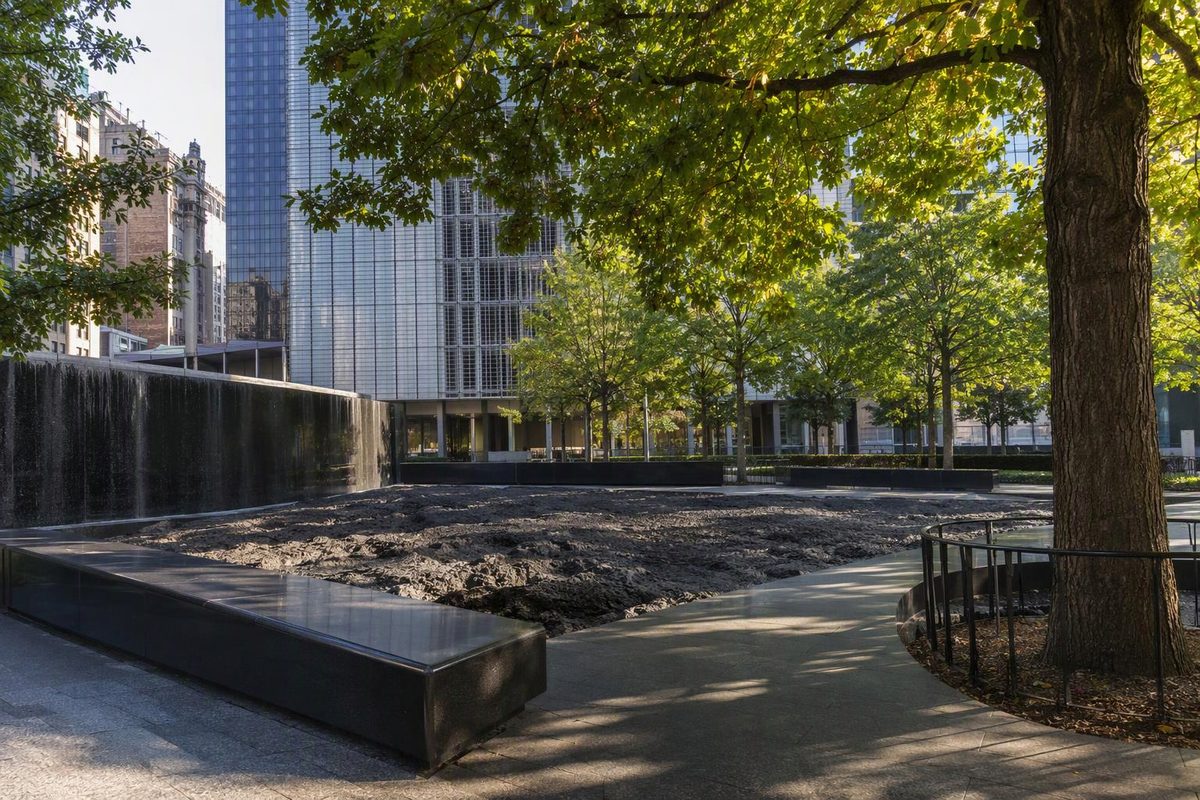
The African Burial Ground National Monument is a free National Park Service site just north of City Hall. Plan 60 to 90 minutes for its two parts: the indoor visitor center and museum at 290 Broadway, followed by the outdoor memorial at Duane Street and African Burial Ground Way. Starting indoors gives you the historical context needed to understand the memorial.
Choose your day, arrival time and pace to see whether your visit fits the published hours.
Visit Fit Planner
Your Schedule Fits
10 a.m.–11:30 a.m.A 90-minute Wednesday visit fits the published 10 a.m.–4 p.m. hours. Allow additional, unquantified time for federal-building security.
Source: National Park Service hours; 60–90 minutes is the visit estimate used in this guide. Holidays and winter weather can change access.
Why This Burial Ground Matters
The burial ground was used from the mid-1630s until 1795 by free and enslaved Africans in colonial New York. It covered roughly six acres and may have contained as many as 15,000 burials. Its scale contradicts any impression that African life and labor were peripheral to the development of colonial New York.
Human remains were uncovered during construction of a federal building in 1991. The rediscovery changed the understanding of enslavement and its role in building New York City. The National Park Service describes the location as North America’s oldest and largest known excavated burial site for free and enslaved Africans in its history and site overview.
The discovery also prompted a sustained campaign over how the site and human remains should be treated. After study at Howard University, the remains of 419 people were returned to the burial ground in 2003. Each person was placed in a hand-carved coffin before reinterment, according to the National Park Service account of the reinterment.
That history shapes how to approach the outdoor space. It is a burial place and site of remembrance, not simply a sculpture plaza or architectural stop. The indoor exhibits explain the archaeological work, colonial setting and effort to preserve the site. Seeing those exhibits first makes the memorial’s forms, inscriptions and African diaspora symbols more legible.
The Visitor Center And Memorial Have Separate Entrances
The visitor center is at 290 Broadway, between Duane and Reade streets. It occupies part of the first floor of a working federal building.
The outdoor memorial is around the building at Duane Street and African Burial Ground Way, the street formerly known as Elk Street. Although the two locations belong to the same monument, they do not share one public entrance.
Map apps may direct you only to the outdoor memorial. Enter 290 Broadway separately when you want the museum entrance, as the NPS directions page advises. If you arrive at the memorial first, you have not missed the visitor center; continue around the federal building to Broadway.
Keeping both addresses in your directions also helps when meeting another person. “African Burial Ground” can refer to the monument as a whole, the indoor center or the outdoor memorial, and those are not interchangeable meeting points.
Current Hours And Admission
The National Park Service schedule in effect on September 30, 2026 lists both the visitor center and outdoor memorial as open Wednesday through Sunday, 10 a.m. to 4 p.m. They are closed Monday, Tuesday, Thanksgiving, Christmas Day and New Year’s Day. The outdoor memorial opens in winter only when weather permits. Check the current NPS hours and alerts shortly before traveling because weather or operating conditions can affect access.
Admission is free, and no entrance pass is required, according to the NPS fees page. A free visit still needs enough time for entry screening and movement between the two parts of the monument.
A 10 a.m. arrival gives you the simplest sequence: visitor center, film and exhibits, then the memorial. A later arrival can work, but a planned 90-minute visit needs to begin by 2:30 p.m. to finish at the published closing time. A 60-minute visit needs to begin by 3 p.m. That calculation does not include an unpredictable security wait, so neither time should be treated as a guaranteed last-entry recommendation.
If your schedule allows only the outdoor memorial, check that it is open and return for the visitor center another day. The indoor material is not an optional duplicate of the memorial; it provides the history and archaeological context that the outdoor design assumes visitors have encountered.
Start Inside At 290 Broadway
The visitor center has four exhibit areas examining archaeology, colonial enslavement and the civic campaign to preserve the burial ground. It also has a 20-minute film, bookstore, restrooms and water fountains, as detailed in the NPS visitor-center information.
A self-guided indoor visit generally takes 35 to 55 minutes, depending partly on whether you watch the film. That range leaves time within a 60- to 90-minute visit for the outdoor memorial, but it is not a timed circuit. Reading every panel or spending longer with the archaeological material can extend the visit.
The film is worth including on a first visit because it supplies a continuous account that individual exhibit cases cannot. If time is tight, decide before entering whether you can accommodate its full 20-minute running time rather than assuming you will fit it in at the end.
Restrooms and water fountains are inside the visitor center, not at the memorial. Use them before going outdoors, particularly if the monument is the first stop in a longer Civic Center walk.
Federal-Building Security Can Affect Your Timing
Visitors enter through airport-style screening because the center is inside a working federal building. Screening may include showing photo identification and removing shoes. The draft source does not provide a standard wait time, so no reliable number can be added to the 60- to 90-minute visiting estimate.
Do not place the visit immediately before a timed reservation elsewhere. Even when the exhibits fit your planned window, the entry process may not. Carrying fewer unnecessary items can simplify your own preparation, but visitors must follow the instructions given by security staff on arrival.
Leaving the visitor center for the memorial ends the indoor portion of the visit. If you later go back inside, expect to pass through security again.
Ranger-Led Visits Require Reservations
Ranger-led visits require advance reservations. The guided education tour runs about 60 minutes, begins inside, includes the film and continues outside. Anyone re-entering the visitor center after the outdoor portion must undergo security screening again. Availability and booking details are listed on the current reservation page.
A guided reservation changes the structure of the visit. Instead of treating 60 minutes as a flexible estimate, use the tour’s scheduled start as your anchor and allow separate time to enter the federal building. The published tour length does not establish how long security will take.
Continue Quietly To The Outdoor Memorial
After the exhibits, leave the visitor center and walk around the federal building to Duane Street and African Burial Ground Way. The route is short enough to remain part of one stop, but the separate entrances mean you should not expect an interior passage between the museum and memorial.
The memorial marks the resting place of the 419 people reinterred in 2003 and commemorates the much larger burial ground. Move through it at a pace appropriate to a cemetery and place of remembrance. The strongest sequence is to read the indoor interpretation first, then use the memorial to reflect on the people and history represented there.
The memorial has no restroom. Food and drink are not permitted there, according to the NPS basic visitor information. Finish food before arriving rather than treating the memorial as a place for a walking lunch.
Visitors may leave no more than two flowers per person, and flowers may be placed only at the reinterment area. Pouring a libation requires advance permission. These are specific site rules rather than general suggestions, and they protect both the burial place and the experience of other visitors.
Winter weather can close the outdoor portion even when the published weekly schedule would otherwise show it as open. On a questionable day, consult the park alerts rather than assuming that access to the indoor center guarantees access to the memorial.
Choose The Subway That Avoids A Transfer
The National Park Service lists several stations within a four-block radius of the monument:
- Chambers Street: 1, 2, 3 or A, C
- Brooklyn Bridge–City Hall: 4, 5, 6
- Chambers Street: J, Z
- City Hall: R
There is no single best station for every visitor. Choose the one that avoids an unnecessary transfer from your previous stop, then navigate to 290 Broadway if you are beginning indoors. Two different stations are named Chambers Street, so confirm the subway line as well as the station name when following directions.
The NPS discourages driving because parking is difficult in this part of Manhattan. The concentration of subway lines also makes the monument easier to combine with another Lower Manhattan stop without returning to Midtown between visits.
Accessibility Extends To Both Parts Of The Site
The visitor center and memorial are accessible. A ramp provides a route that bypasses the memorial stairs. Inside, the theater has room for wheelchair users, exhibit monitors can be adjusted, and a wheelchair is available on request. The NPS mobility information provides the site-specific details.
Subway accessibility is a separate planning issue. Elevator availability varies by station and entrance, and a nearby station is not necessarily usable for every trip. If you need an elevator, confirm the accessible route and check the MTA’s live elevator status before leaving. An elevator outage can change which of the listed stations is the practical choice.
The memorial ramp and visitor-center accommodations address movement within the monument. They do not establish that every sidewalk route or subway connection nearby will meet the same needs, so plan the full route rather than checking only the destination.
Build A Compact Civic Center Walk Around The Visit
The monument fits naturally into a Civic Center and Lower Manhattan day because the next stops lie along or near Broadway. A compact sequence is:
- 10 a.m.: Enter the visitor center at 290 Broadway.
- Around 11 a.m.: Continue to the outdoor memorial.
- Foley Square: See Lorenzo Pace’s Triumph of the Human Spirit, installed in 2000 as a tribute to those interred nearby.
- City Hall Park: Continue south along Broadway.
- Choose one extension: Walk onto the Brooklyn Bridge, continue toward the Financial District or turn north for lunch in Chinatown.
This order keeps the African Burial Ground together as one complete visit rather than splitting the museum and memorial around unrelated stops. It also puts the most time-sensitive indoor site first. Foley Square and City Hall Park can follow without requiring you to return through federal-building security.
Do not compress the monument merely to add another attraction. The 60- to 90-minute estimate already accounts for two locations and material that benefits from a measured pace. If a timed Brooklyn Bridge, museum or observation-deck booking follows, leave an additional buffer because the security wait at 290 Broadway is not published.
For a longer trip, the stop also fits the Lower Manhattan day in this five-day New York itinerary. Keep the visitor center’s Wednesday-through-Sunday schedule in mind when assigning that day; moving the itinerary to Monday or Tuesday would leave both parts of the monument closed under the current schedule.